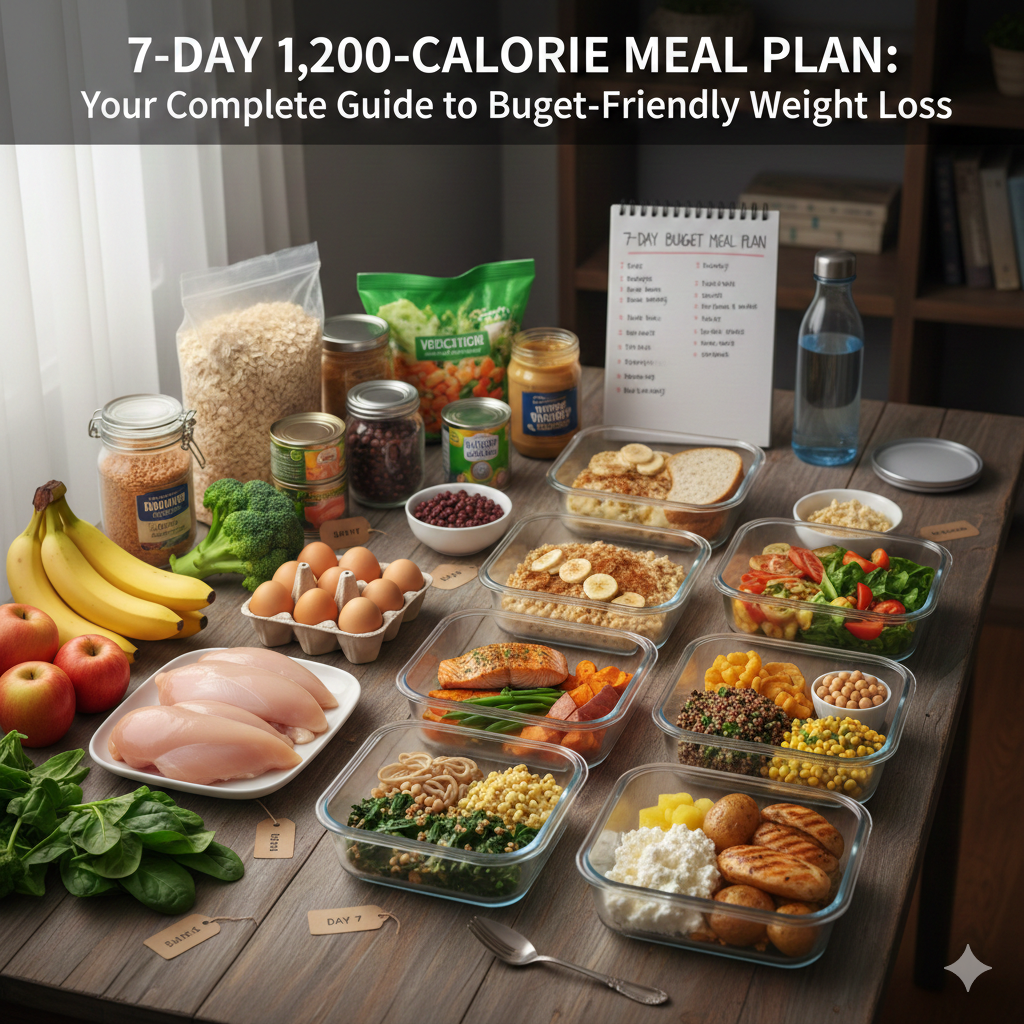
Losing weight doesn’t have to drain your wallet or fill your kitchen with complicated ingredients. A well-structured 1,200-calorie meal plan can jumpstart your weight loss journey while keeping grocery bills manageable and cooking simple. This comprehensive guide walks you through a practical, seven-day eating plan designed for real people with real budgets.
Whether you’re a busy professional, a student on a tight budget, or simply someone looking to shed pounds without expensive meal delivery services, this plan offers straightforward solutions. We’ll explore affordable ingredients, easy meal preparation, and realistic portions that support healthy weight loss without leaving you hungry or broke.
Understanding the 1,200-Calorie Approach
A 1,200-calorie meal plan creates a significant calorie deficit for most adults, which can lead to weight loss when followed correctly. This approach works by reducing your daily caloric intake below your body’s energy needs, forcing it to burn stored fat for fuel.
However, it’s essential to understand that 1,200 calories represents a lower threshold for most people. While effective for short-term weight loss, this calorie level requires careful planning to ensure you’re getting adequate nutrition. The meal plan outlined here balances proteins, healthy carbohydrates, and essential fats to support your body’s needs while promoting fat loss.
Who Should Consider This Plan?
This meal plan works best for:
- Adults looking to lose weight under medical guidance
- Individuals with sedentary to moderately active lifestyles
- People seeking a structured, short-term approach to weight loss
- Those wanting to reset their eating habits
Important consideration: Always consult with a healthcare provider before starting any restrictive diet, especially if you have existing health conditions or take medications.
Budget-Friendly Shopping Strategies for Weight Loss
Smart shopping forms the foundation of any successful low-calorie meal plan. By focusing on affordable, nutrient-dense ingredients, you can create satisfying meals without overspending.
Stock Your Pantry with These Essentials
Whole Grains and Starches:
- Oats (buy in bulk for maximum savings)
- Brown rice (long-lasting and versatile)
- Whole-wheat pasta
- Quinoa (when on sale)
- Sweet potatoes
Protein Sources:
- Eggs (one of the cheapest proteins available)
- Canned tuna and salmon
- Dried lentils and beans
- Chicken breast (buy in bulk and freeze)
- Ground turkey
- Plain Greek yogurt
- Cottage cheese
Vegetables and Fruits:
- Frozen mixed vegetables (just as nutritious as fresh)
- Bananas (affordable year-round)
- Seasonal fresh produce
- Spinach and leafy greens
- Carrots, broccoli, and green beans
- Apples and oranges
Healthy Fats and Flavor:
- Natural peanut butter
- Small portion of almonds
- Olive oil
- Hummus (make your own to save money)
Money-Saving Shopping Tips
Shop the perimeter of the store where fresh, whole foods live. Buy store brands instead of name brands—the nutritional content is often identical. Purchase proteins in family packs and freeze portions. Choose frozen vegetables over fresh when prices are high; they’re picked at peak ripeness and retain excellent nutritional value.
Plan your meals around what’s on sale each week. If chicken thighs are cheaper than breasts, adjust your recipes accordingly. Both provide quality protein for your weight loss goals.
Your Complete 7-Day Low-Calorie Meal Plan
This weekly plan provides approximately 1,200 calories daily with balanced macronutrients. Each day includes three meals and one snack, ensuring you stay satisfied while creating the calorie deficit needed for weight loss.
Day 1: Classic and Simple
Breakfast: Half cup of oats cooked with water, topped with one sliced banana and a sprinkle of cinnamon. This fiber-rich start keeps you full until lunch.
Lunch: Turkey sandwich made with two slices whole-grain bread, lean turkey, mustard, and lettuce, paired with one raw carrot. Simple, portable, and satisfying.
Dinner: Four ounces of grilled chicken breast, half cup cooked brown rice, and one cup steamed broccoli. This balanced meal provides lean protein and filling fiber.
Snack: One hard-boiled egg for a protein boost between meals.
Day 2: Mediterranean Inspired
Breakfast: One cup plain Greek yogurt mixed with fresh or frozen berries. Greek yogurt delivers protein that helps control hunger.
Lunch: One cup homemade or canned lentil soup with one slice whole-grain bread. Lentils are incredibly cheap and packed with plant-based protein and fiber.
Dinner: Four ounces stir-fried tofu with mixed vegetables and half cup cooked quinoa. This vegetarian option is budget-friendly and nutrient-dense.
Snack: One medium apple for natural sweetness and fiber.
Day 3: Omega-3 Focus
Breakfast: Smoothie blended from one banana, handful of spinach, and unsweetened almond milk. Quick, nutritious, and portable.
Lunch: Tuna salad made from canned tuna mixed with Greek yogurt or mustard, served over lettuce with sliced tomatoes and cucumber.
Dinner: Four ounces baked salmon, one medium sweet potato, and one cup green beans. Salmon provides healthy fats that support weight loss.
Snack: Ten to twelve almonds for healthy fats and protein.
Day 4: Protein-Packed
Breakfast: Two scrambled eggs with sautéed spinach. Eggs are an affordable protein powerhouse that keeps you satisfied.
Lunch: Chickpea salad combining half cup chickpeas with mixed greens, tomatoes, and light vinaigrette.
Dinner: Four ounces turkey meatballs with three-quarters cup cooked whole-wheat spaghetti and marinara sauce.
Snack: Carrot sticks with two tablespoons hummus for a crunchy, satisfying treat.
Day 5: Global Flavors
Breakfast: One slice whole-grain toast with one tablespoon natural peanut butter and banana slices.
Lunch: Quinoa bowl with half cup cooked quinoa, black beans, corn, and salsa.
Dinner: Chicken fajitas made with four ounces chicken breast, sautéed peppers and onions, wrapped in one whole-wheat tortilla.
Snack: One orange for vitamin C and natural sweetness.
Day 6: Comfort Foods Lightened
Breakfast: One cup cottage cheese topped with pineapple chunks. Cottage cheese is surprisingly affordable and high in protein.
Lunch: Egg salad made from two hard-boiled eggs on whole-grain toast.
Dinner: Four ounces grilled white fish, half cup brown rice, and steamed mixed vegetables.
Snack: Three cups air-popped popcorn for a satisfying, low-calorie treat.
Day 7: Week-End Variety
Breakfast: Oatmeal topped with sliced apple and cinnamon.
Lunch: Black bean salad with half cup beans, diced vegetables, lime juice, and cilantro.
Dinner: Four ounces lean beef or chicken, one medium baked potato, and side salad with light dressing.
Snack: Greek yogurt or fresh fruit.
Meal Preparation Tips for Success
Preparation is the secret weapon in any successful meal plan. Spending a few hours on Sunday can set you up for an entire week of easy, healthy eating.
Batch Cooking Basics
Cook large batches of brown rice, quinoa, and oats at the beginning of the week. Store them in containers for quick meal assembly. Boil a dozen eggs for grab-and-go protein throughout the week. Grill or bake several chicken breasts at once, then portion and refrigerate.
Chop vegetables when you return from the grocery store. Pre-cut vegetables stored in containers make cooking faster on busy weeknights.
Container Strategy
Invest in a set of glass or BPA-free plastic containers in various sizes. Portion your meals immediately after cooking to prevent overeating. Label containers with dates to track freshness.
Maximizing Nutrition on Limited Calories
When you’re eating just 1,200 calories daily, every bite must deliver nutritional value. Here’s how to make your limited calories count.
Prioritize Protein
Aim for at least 80-100 grams of protein daily, even on this low-calorie plan. Protein preserves muscle mass during weight loss, keeps you fuller longer, and requires more energy to digest than carbohydrates or fats.
Include a protein source at every meal. Greek yogurt at breakfast, chicken or tuna at lunch, and fish or lean meat at dinner ensure adequate protein intake.
Don’t Fear Healthy Fats
While limiting calories, include small amounts of healthy fats daily. Nuts, avocado, olive oil, and fatty fish provide essential fatty acids your body needs. These fats also improve satiety, helping you feel satisfied despite eating less.
Load Up on Vegetables
Vegetables are your best friend on a 1,200-calorie meal plan. Most vegetables contain very few calories but provide volume, fiber, vitamins, and minerals. Fill half your plate with non-starchy vegetables at lunch and dinner.
Exercise and Activity Considerations
While diet drives weight loss, combining your meal plan with appropriate physical activity enhances results and maintains muscle mass.
Walking Works Wonders
You don’t need an expensive gym membership or complicated routines. Walking 30-60 minutes daily supports your weight loss goals without requiring extra calories. Start with 15-minute walks and gradually increase duration.
Strength Training Basics
Two to three weekly strength training sessions help preserve muscle while losing fat. Bodyweight exercises like push-ups, squats, and planks require no equipment and can be done at home.
Important: If you feel weak, dizzy, or excessively fatigued during workouts, you may need to increase your calorie intake slightly or reduce exercise intensity.
Common Challenges and Solutions
Every meal plan comes with potential obstacles. Anticipating these challenges helps you stay on track.
Dealing with Hunger
If you experience persistent hunger, first ensure you’re drinking adequate water—sometimes thirst masquerades as hunger. Add more non-starchy vegetables to meals for volume without significant calories. Include protein at each meal to improve satiety.
Social Situations
Eating out or attending social gatherings can derail your plan. Review restaurant menus beforehand and identify lower-calorie options. At parties, eat a small, protein-rich snack before attending so you’re not ravenous around tempting foods.
Plateaus and Frustration
Weight loss rarely follows a straight line. You might lose several pounds one week and nothing the next. This is completely normal. Track measurements and how your clothes fit rather than focusing solely on the scale.
When to Modify or Stop This Plan
A 1,200-calorie meal plan is designed for short-term weight loss, not permanent eating. Watch for these signs that indicate you need to adjust:
- Persistent fatigue or weakness
- Difficulty concentrating
- Excessive irritability or mood changes
- Dizziness or lightheadedness
- Hair loss or brittle nails
- Disrupted sleep patterns
- Loss of menstrual periods in women
If you experience any of these symptoms, increase your calorie intake and consult a healthcare professional.
Transitioning to Maintenance
After reaching your goal weight, gradually increase calories by 100-200 per week until you find your maintenance level—the calorie amount where your weight stabilizes.
Continue emphasizing whole foods, lean proteins, and vegetables. The habits you’ve built during this plan should carry forward into long-term healthy eating.
Frequently Asked Questions
Can I lose weight on a 1,200-calorie diet without exercise?
Yes, weight loss occurs when you consume fewer calories than you burn, regardless of exercise. However, combining diet with physical activity improves results, preserves muscle mass, and offers numerous health benefits beyond weight loss. Even light activities like walking enhance your success.
How much weight can I expect to lose in seven days?
Most people lose 1-2 pounds per week on a 1,200-calorie meal plan, though initial water weight loss might show larger numbers in the first week. Sustainable weight loss averages one to two pounds weekly. Faster loss often comes from water weight and muscle, not fat.
Is 1,200 calories safe for everyone?
No, this calorie level is quite low and not appropriate for everyone. Men, taller individuals, very active people, and those with certain health conditions need more calories. Always consult a healthcare provider before starting any restrictive diet plan to ensure it’s safe for your individual circumstances.
Can I substitute ingredients I don’t like?
Absolutely. The beauty of this plan lies in its flexibility. Swap proteins (chicken for turkey, tofu for fish), exchange similar vegetables, or substitute grains. The key is maintaining similar calorie counts and nutritional balance. Use a calorie tracking app to ensure substitutions keep you within your daily target.
What should I do if I’m still hungry after meals?
First, ensure you’re drinking enough water—aim for eight glasses daily. Add more non-starchy vegetables to increase meal volume without significant calories. Consider redistributing calories to larger portions at meals when you’re hungriest. If hunger persists despite these strategies, you may need slightly more calories.
How long can I safely follow this meal plan?
Most health professionals recommend following very low-calorie diets like this for no more than 12 weeks without medical supervision. After reaching your initial goals, transition to a higher-calorie maintenance plan. Short-term restriction followed by sustainable eating patterns produces better long-term results than permanent restriction.
Will I gain weight back after stopping this plan?
Weight regain depends on your habits after the diet ends. Gradually increasing calories, continuing to emphasize whole foods, staying active, and monitoring your weight helps maintain losses. Returning immediately to previous eating patterns will likely result in regaining weight. Think of this plan as a reset and learning experience, not a temporary fix.
Conclusion
A 1,200-calorie meal plan offers an accessible, budget-friendly approach to jump-starting your weight loss journey. By focusing on affordable whole foods, simple preparation methods, and balanced nutrition, you can create satisfying meals that support your goals without breaking the bank.
Remember that this plan works best as a short-term strategy, not a permanent lifestyle. Pay attention to your body’s signals, adjust as needed, and don’t hesitate to increase calories if you experience negative symptoms. Successful weight loss balances creating a calorie deficit with maintaining your health and energy.
The seven-day framework provided here gives you a solid foundation, but feel free to repeat favorite days, swap similar ingredients, or adjust portions slightly to fit your needs. The best meal plan is one you can actually follow consistently.
Focus on building healthy habits—choosing whole foods over processed options, controlling portions, staying active, and listening to your body—that will serve you long after you’ve reached your goal weight. Sustainable weight management comes from permanent lifestyle changes, not temporary restriction.
Take your weight loss journey one day at a time, celebrate small victories, and remember that progress isn’t always linear. With preparation, commitment, and a practical approach, you can achieve your goals while keeping both your health and your budget intact.