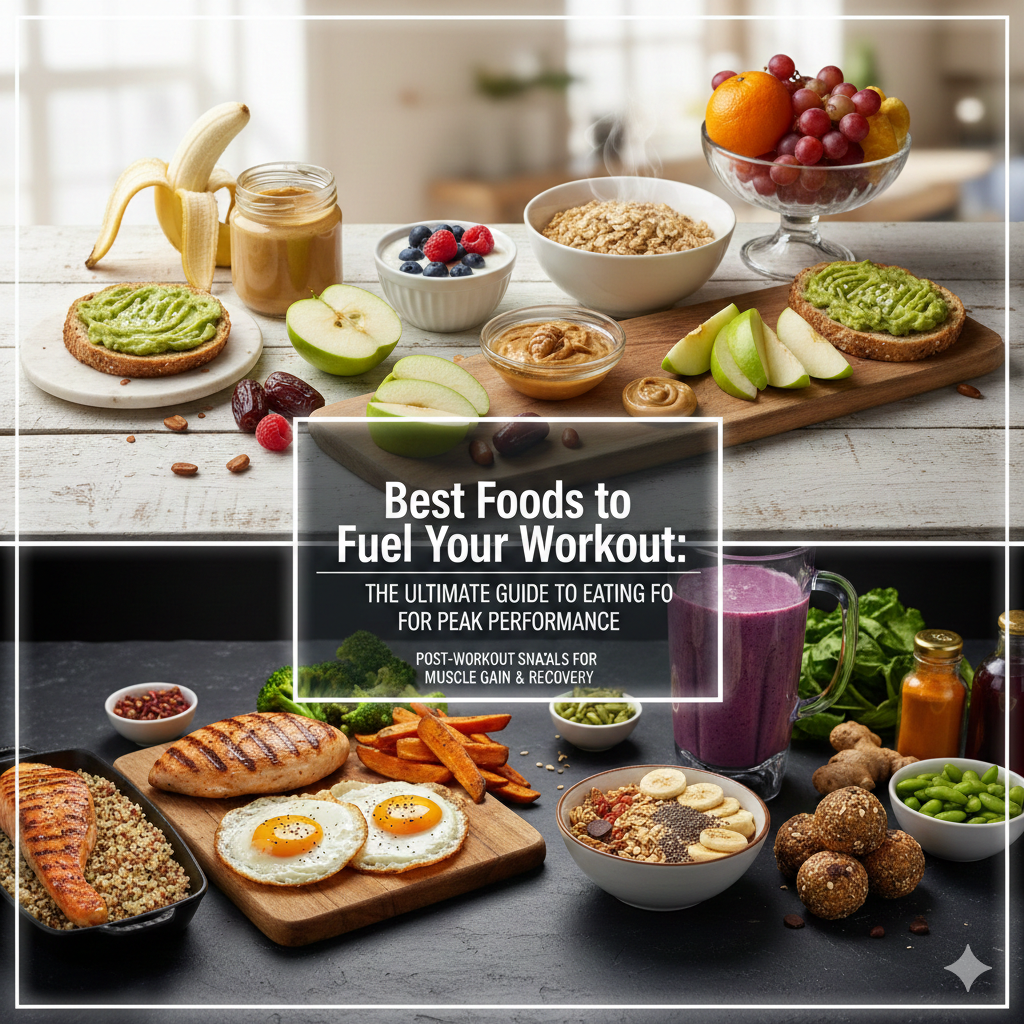
Best Foods to Fuel Your Workout: The Ultimate Guide to Eating for Peak Performance
Whether you’re hitting the gym before work or winding down with an evening run, what you eat can make or break your workout. The right foods for workout preparation and recovery don’t just give you energy—they help you build muscle, reduce soreness, and actually enjoy your training sessions. In this guide, you’ll discover exactly what to eat before and after exercise, backed by science and easy enough to fit into even the busiest schedule.
Why Nutrition Matters as Much as Your Workout Routine
Your body is like a high-performance car. You wouldn’t fill a sports car with low-quality fuel and expect it to win races. The same logic applies to your fitness journey. When you choose healthy foods for fitness, you’re giving your muscles the building blocks they need to grow stronger, your energy systems the fuel to power through challenging sets, and your recovery process the nutrients to repair and rebuild.
Research shows that timing and quality of nutrition can improve workout performance by up to 20%. That’s the difference between struggling through your last few reps and finishing strong with energy to spare.
Best Pre-Workout Snacks for Energy
What you eat before exercising sets the tone for your entire workout. The goal is simple: provide quick energy without feeling heavy or sluggish.
The Perfect Timing Window
Ideally, eat a substantial meal 2-3 hours before working out, or a lighter snack 30-60 minutes beforehand. If you’re wondering what to eat 30 minutes before exercising, focus on easily digestible options that won’t cause stomach discomfort.
Top Pre-Workout Foods That Boost Exercise Performance
Bananas with Almond Butter
Bananas are nature’s energy bars. They’re packed with fast-acting carbohydrates and potassium, which helps prevent muscle cramps. Add a tablespoon of almond butter for healthy fats that provide sustained energy.
Greek Yogurt with Berries
This combination delivers both carbs to eat before workout and protein to protect your muscles. The probiotics in yogurt also support digestion, so you won’t feel bloated during your training.
Oatmeal with Honey
A bowl of oatmeal provides complex carbohydrates that release energy steadily. Drizzle with honey for an extra glucose boost. This is one of the best options for early morning exercisers.
Apple Slices with Peanut Butter
Apples offer natural sugars and fiber, while peanut butter adds protein and healthy fats. This quick pre-workout snack for busy mornings takes less than two minutes to prepare.
Whole Grain Toast with Avocado
Whole grains provide sustained energy, and avocado delivers healthy fats for athletes along with potassium and fiber. Top with a sprinkle of sea salt to replenish electrolytes.
Fruits for Pre-Workout Energy
Fruits deserve special mention because they’re portable, affordable, and incredibly effective:
- Oranges: High in vitamin C and water content for hydration
- Grapes: Quick sugar source that’s easy on the stomach
- Watermelon: One of the best hydration foods during workouts
- Dates: Concentrated natural sugars for instant energy
- Berries: Antioxidants that reduce inflammation and support recovery
Post-Workout Meals for Muscle Gain and Recovery
After you’ve pushed your body to its limits, it’s time to refuel and rebuild. Post-workout nutrition is arguably even more important than pre-workout eating because this is when your muscles are most receptive to nutrients.
The 30-Minute Anabolic Window
While recent research suggests this window is more flexible than once thought, eating within 30-60 minutes after exercise is still ideal for maximizing muscle recovery and glycogen replenishment.
Best Protein Sources for Muscle Recovery
Grilled Chicken Breast
Lean, versatile, and packed with approximately 30 grams of protein per serving. Pair with sweet potatoes and steamed vegetables for a complete recovery meal.
Salmon with Quinoa
Salmon provides high-quality protein plus omega-3 fatty acids that reduce inflammation. Quinoa offers complete protein and complex carbohydrates—everything your body needs after intense training.
Eggs with Whole Grain Toast
Eggs contain all nine essential amino acids your muscles need to repair and grow. Whether scrambled, poached, or hard-boiled, they’re among the most effective foods to eat after cardio or strength training.
Protein Smoothie Bowl
Blend protein powder with frozen berries, spinach, and almond milk. Top with granola, chia seeds, and sliced banana. This provides protein, antioxidants, and carbohydrates in one delicious package.
Greek Yogurt Parfait
Layer Greek yogurt with granola, nuts, and fresh fruit. With over 20 grams of protein per cup, Greek yogurt is one of the most convenient high protein snacks for exercise recovery.
Plant-Based Post-Workout Meal Ideas
Chickpea Buddha Bowl
Combine roasted chickpeas, quinoa, roasted vegetables, tahini dressing, and avocado. This plant-based powerhouse delivers protein, healthy fats, and complex carbs.
Lentil and Sweet Potato Curry
Lentils provide plant-based protein while sweet potatoes offer complex carbohydrates. The anti-inflammatory spices in curry support recovery and reduce muscle soreness.
Tofu Stir-Fry with Brown Rice
Tofu is a complete protein source that’s easily digestible. Stir-fry with colorful vegetables and serve over brown rice for a balanced recovery meal.
Black Bean Tacos
Whole grain tortillas filled with black beans, salsa, avocado, and vegetables provide fiber, protein, and healthy fats without animal products.
How to Combine Carbs and Protein for Energy
The magic happens when you understand the synergy between macronutrients. Carbohydrates provide immediate energy and help replenish glycogen stores, while protein repairs and builds muscle tissue. The ideal post-workout ratio is roughly 3:1 carbs to protein for endurance athletes, and 2:1 for strength trainers.
Practical Examples:
- Turkey sandwich on whole grain bread with vegetables
- Chocolate milk (surprisingly effective for recovery)
- Rice bowl with grilled chicken and roasted vegetables
- Cottage cheese with pineapple and whole grain crackers
High Protein Snacks for Exercise Enthusiasts
When you need a protein boost but don’t have time for a full meal:
Homemade Energy Balls
Mix oats, protein powder, nut butter, honey, and dark chocolate chips. Roll into balls and refrigerate. Each ball contains 5-7 grams of protein.
Beef Jerky or Turkey Jerky
Portable, shelf-stable, and packed with protein. Choose varieties with minimal additives and lower sodium content.
Edamame
One cup provides 17 grams of plant-based protein plus fiber and essential minerals.
Protein Bars
Look for bars with at least 15 grams of protein, minimal added sugars, and recognizable ingredients. They’re perfect for gym bags.
Hard-Boiled Eggs
Prepare a dozen on Sunday and grab them throughout the week. Each egg delivers 6 grams of complete protein.
Simple Foods to Reduce Muscle Soreness
Certain foods contain compounds that actively fight inflammation and speed up recovery:
Tart Cherry Juice
Studies show tart cherry juice can reduce muscle soreness by up to 24% when consumed before and after exercise.
Turmeric and Ginger
These spices contain powerful anti-inflammatory compounds. Add them to smoothies, teas, or main dishes.
Leafy Greens
Spinach, kale, and Swiss chard are rich in antioxidants that combat exercise-induced oxidative stress.
Blueberries
Packed with anthocyanins that reduce inflammation and support muscle recovery.
Fatty Fish
The omega-3s in salmon, mackerel, and sardines actively reduce muscle inflammation and soreness.
Best Hydration Foods During Workouts
Hydration isn’t just about water. These foods have high water content and also provide electrolytes:
- Cucumbers: 96% water plus vitamin K
- Celery: High water content and natural sodium
- Strawberries: 91% water with vitamin C
- Coconut water: Natural electrolytes without added sugars
- Bell peppers: Hydrating and rich in vitamin C
Healthy Fats for Athletes: Why They Matter
Don’t fear fat—your body needs it for hormone production, joint health, and nutrient absorption. Focus on these sources:
Avocados
Rich in monounsaturated fats, potassium, and fiber. Add to smoothies, salads, or enjoy on toast.
Nuts and Seeds
Almonds, walnuts, chia seeds, and flaxseeds provide omega-3s, protein, and sustained energy.
Olive Oil
Use extra virgin olive oil for salad dressings and low-heat cooking to benefit from its anti-inflammatory properties.
Nut Butters
Almond, cashew, and peanut butter offer convenient healthy fats plus protein.
Meal Timing Strategies for Maximum Results
Morning Workouts
If you exercise first thing, eat a light carbohydrate snack like a banana or toast 30 minutes before. Save your protein-rich breakfast for after.
Lunch-Time Training
Eat a balanced breakfast with protein and complex carbs. Have a light pre-workout snack if needed, then refuel with a complete lunch afterward.
Evening Exercise
Eat a substantial lunch with protein and carbohydrates. Have a small pre-workout snack, then enjoy a lighter dinner focusing on protein and vegetables.
Common Nutrition Mistakes to Avoid
Skipping Pre-Workout Fuel
Exercising on an empty stomach might seem like it burns more fat, but it actually can lead to muscle loss and poor performance.
Overdoing Protein
More isn’t always better. Your body can only use about 20-40 grams of protein per meal for muscle synthesis.
Ignoring Carbohydrates
Carbs aren’t the enemy. They’re your muscles’ preferred fuel source, especially for high-intensity workouts.
Not Eating Enough After Cardio
Many people underestimate how much they need to refuel after cardiovascular exercise, leading to fatigue and poor recovery.
Frequently Asked Questions
What should I eat 30 minutes before a workout?
Choose easily digestible carbohydrates like a banana, apple slices with a small amount of nut butter, or a handful of dried fruit. Avoid heavy proteins and fats that take longer to digest.
How much protein do I need after working out?
Aim for 20-40 grams of protein within an hour after exercise, depending on your body weight and the intensity of your workout. A 150-pound person typically needs around 25-30 grams.
Can I exercise on an empty stomach?
While fasted cardio can work for some people, most individuals perform better with at least a small snack beforehand. If you prefer fasted workouts, keep intensity moderate and eat immediately after.
What are the best foods to eat after cardio?
Combine carbohydrates with moderate protein. Good options include a smoothie with fruit and protein powder, chocolate milk, or Greek yogurt with granola and berries.
Should I eat different foods for strength training versus cardio?
The basic principles remain the same, but strength training benefits from slightly more protein in your post-workout meal, while endurance cardio may require more carbohydrates for glycogen replenishment.
How long before a workout should I eat a full meal?
Allow 2-3 hours for complete digestion of a full meal. This prevents stomach discomfort while ensuring you have adequate energy available.
Are protein shakes necessary for muscle gain?
No, they’re convenient but not essential. You can meet your protein needs through whole foods. However, shakes can be helpful if you struggle to eat enough protein or need quick post-workout nutrition.
Your Action Plan for Better Workout Nutrition
Start by identifying which meals you currently skip or rush through. Most people find pre-workout nutrition is their weak spot. This week, commit to eating something—even a banana—before every workout. Notice how your energy levels improve.
Next, prepare your post-workout options in advance. Cook a batch of grilled chicken, hard-boil a dozen eggs, or prep smoothie ingredients in individual bags. When healthy foods for fitness are convenient, you’ll actually eat them.
Remember, the best foods for workout success are the ones you’ll actually eat consistently. Start with simple changes, build habits, and watch as better nutrition transforms not just your workouts, but your overall energy and well-being. Your body is capable of incredible things when you fuel it properly—so give it the nutrition it deserves.