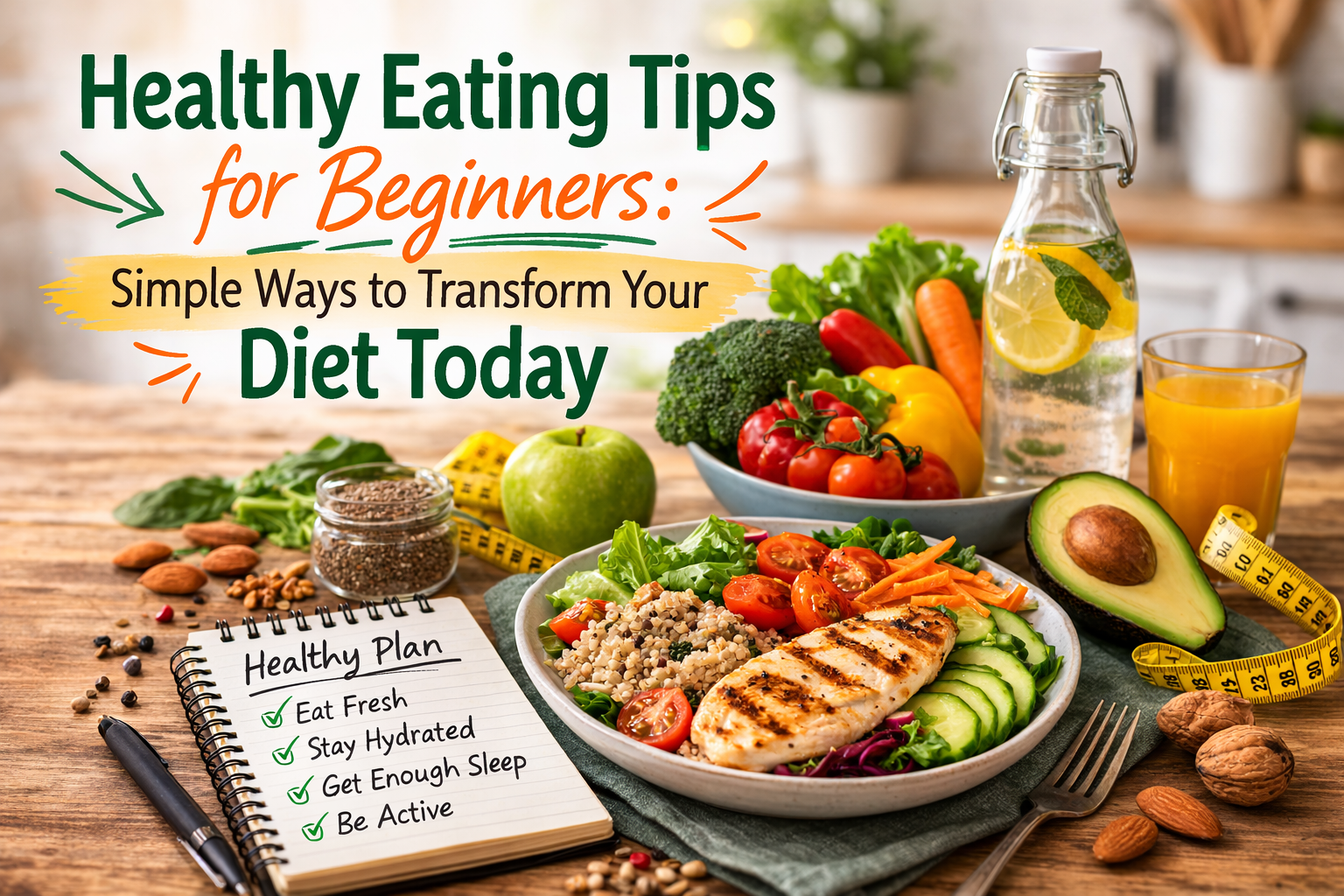
Starting a healthier eating journey doesn’t have to feel overwhelming or complicated. Whether you’re looking to shed a few pounds, boost your energy levels, or simply feel better in your everyday life, implementing healthy eating tips for beginners can make all the difference. The truth is, you don’t need expensive meal plans or restrictive diets to see real results. Small, sustainable changes to your nutrition habits can lead to long-term health improvements that stick. In this comprehensive guide, we’ll walk you through practical, science-backed strategies that anyone can follow, regardless of their cooking skills or busy schedule.
Understanding the Basics of Healthy Eating
Before diving into specific tips, it’s important to understand what healthy eating actually means. At its core, healthy eating is about nourishing your body with whole, nutrient-dense foods while limiting processed items high in added sugars, unhealthy fats, and sodium.
What Makes Food “Healthy”?
Healthy foods typically contain:
- Essential vitamins and minerals that support bodily functions
- Fiber for digestive health and satiety
- Lean proteins for muscle maintenance and repair
- Healthy fats that support brain and heart health
- Complex carbohydrates for sustained energy
The goal isn’t perfection—it’s progress. Even small improvements to your diet can yield significant health benefits over time.
Simple Diet Tips That Work for Real Life
1. Start Your Day with a Balanced Breakfast
One of the most effective nutrition tips for weight loss success is never skipping breakfast. A protein-rich morning meal jumpstarts your metabolism and helps control hunger throughout the day.
Quick breakfast ideas:
- Greek yogurt with berries and a sprinkle of granola
- Whole grain toast with avocado and eggs
- Overnight oats with nuts and fruit
- Smoothie with spinach, banana, protein powder, and almond milk
2. Master Portion Control Without Feeling Deprived
Understanding portion control tips for weight management doesn’t mean eating tiny meals. It means being mindful of serving sizes while still feeling satisfied.
Easy portion control strategies:
- Use smaller plates to naturally reduce portions
- Fill half your plate with vegetables
- Keep protein portions about the size of your palm
- Limit starchy carbs to a fist-sized portion
- Don’t eat directly from large packages
3. Prioritize Whole, Unprocessed Foods
The foundation of any healthy eating plan is choosing whole foods over processed alternatives. Whole foods retain their natural nutrients and don’t contain added chemicals or excessive sodium.
Smart swaps to try:
- Choose brown rice instead of white rice
- Select whole grain bread over white bread
- Opt for fresh fruit instead of fruit juice
- Pick plain oats over flavored instant packets
- Choose nuts over chips for snacking
How to Reduce Added Sugar Naturally
Sugar lurks in unexpected places—from pasta sauce to salad dressing. Learning how to reduce added sugar naturally is crucial for improving overall health and supporting weight management goals.
Hidden Sources of Sugar
Many foods marketed as “healthy” contain shocking amounts of added sugar:
- Flavored yogurt (up to 20 grams per serving)
- Granola bars (often 10-15 grams)
- Bottled smoothies and juices
- Condiments like ketchup and BBQ sauce
- Breakfast cereals
Practical Ways to Cut Sugar
Start with these simple changes:
- Read nutrition labels and choose products with less than 5 grams of added sugar per serving
- Sweeten naturally with fresh or dried fruit instead of refined sugar
- Drink water or unsweetened beverages instead of soda and sweetened drinks
- Make your own sauces and dressings to control sugar content
- Gradually reduce sugar in coffee and tea until your taste buds adjust
Best High-Fiber Foods List for Better Health
Fiber is an unsung hero in nutrition habits for long-term health. It supports digestive health, helps control blood sugar, and keeps you feeling full longer.
Top Fiber-Rich Foods to Add to Your Diet
Vegetables (5-8 grams per cup):
- Broccoli
- Brussels sprouts
- Artichokes
- Sweet potatoes with skin
Fruits (3-5 grams per serving):
- Raspberries and blackberries
- Pears with skin
- Apples with skin
- Bananas
Whole Grains (4-6 grams per serving):
- Quinoa
- Oatmeal
- Brown rice
- Whole wheat pasta
Legumes (7-15 grams per cup):
- Lentils
- Black beans
- Chickpeas
- Split peas
Aim for 25-35 grams of fiber daily, but increase gradually to avoid digestive discomfort.
Meal Planning Tips for Busy People
One of the biggest obstacles to healthy eating is time. However, meal planning tips for busy people can transform your approach to nutrition without requiring hours in the kitchen.
The Simple Sunday Prep Strategy
Dedicate just 2 hours on Sunday to:
- Plan your meals for the week based on your schedule
- Create a grocery list organized by store section
- Prep ingredients like washing vegetables, cooking grains, and marinating proteins
- Batch cook one or two versatile proteins
- Portion snacks into grab-and-go containers
Time-Saving Cooking Hacks
- Use a slow cooker or instant pot for hands-off meals
- Double recipes and freeze half for future use
- Keep pre-cut vegetables on hand for quick meals
- Stock your pantry with healthy staples
- Embrace simple, 5-ingredient recipes
How to Stock a Healthy Fridge for Success
Your environment significantly impacts your food choices. Knowing how to stock a healthy fridge sets you up for success by making nutritious options the easiest choice.
Essential Healthy Fridge Staples
Fresh Produce:
- Leafy greens (spinach, kale, lettuce)
- Cruciferous vegetables (broccoli, cauliflower)
- Colorful bell peppers
- Berries and seasonal fruits
Protein Sources:
- Greek yogurt
- Eggs
- Lean chicken breast
- Tofu or tempeh
- Hummus
Healthy Extras:
- Nut butter (almond, peanut)
- Cheese in moderation
- Fresh herbs
- Salsa and guacamole
Pantry Essentials
Don’t forget these shelf-stable balanced diet tips at home staples:
- Canned beans and lentils
- Whole grain pasta and brown rice
- Quinoa and oats
- Nuts and seeds
- Olive oil and vinegar
- Herbs and spices
Hydration: The Overlooked Foundation
While not technically a food, proper hydration is essential to any healthy eating plan. Water supports every bodily function and can even help reduce unnecessary snacking.
Daily hydration goals:
- Aim for 8-10 glasses (64-80 ounces) daily
- Drink a glass of water before each meal
- Keep a reusable water bottle with you
- Flavor water with lemon, cucumber, or mint if plain water feels boring
- Eat water-rich foods like watermelon, cucumbers, and oranges
Mindful Eating: The Game-Changing Habit
Beyond what you eat, how you eat matters tremendously. Mindful eating helps you tune into hunger cues, enjoy food more, and naturally prevent overeating.
Principles of Mindful Eating
- Eat without distractions (turn off TV and put away phones)
- Chew thoroughly and eat slowly
- Notice flavors, textures, and aromas
- Stop eating when 80% full
- Distinguish between physical hunger and emotional cravings
This practice alone can be one of the most powerful nutrition tips for weight loss success without feeling restricted.
Common Mistakes to Avoid
Even with the best intentions, beginners often fall into these traps:
❌ Going too extreme too quickly – Gradual changes are more sustainable ❌ Labeling foods as “good” or “bad” – This creates an unhealthy relationship with food ❌ Skipping meals to “save calories” – This often leads to overeating later ❌ Not planning ahead – Lack of preparation leads to poor choices ❌ Ignoring hunger signals – Listen to your body’s needs
FAQ: Your Healthy Eating Questions Answered
Q1: How long does it take to see results from healthy eating?
Most people notice improved energy levels within 1-2 weeks. Physical changes like weight loss typically become noticeable after 3-4 weeks of consistent healthy eating. Remember, sustainable changes take time, and everyone’s body responds differently.
Q2: Can I still eat my favorite foods while eating healthy?
Absolutely! Healthy eating is about balance, not deprivation. The 80/20 rule works well—eat nutritious whole foods 80% of the time and allow yourself flexibility for treats and social occasions the remaining 20%.
Q3: What’s the best way to handle cravings for unhealthy foods?
First, ensure you’re eating enough at meals and getting adequate protein and fiber. When cravings hit, wait 10-15 minutes and drink water—often cravings pass. If you still want it, have a small portion mindfully and move on without guilt.
Q4: How do I stick to healthy eating when dining out?
Look at the menu beforehand and plan your order. Choose grilled, baked, or steamed options over fried. Ask for dressings and sauces on the side. Start with a vegetable-based appetizer or salad. Don’t arrive overly hungry, and share desserts if you want something sweet.
Q5: Is it expensive to eat healthy?
Healthy eating doesn’t have to break the bank. Buy seasonal produce, purchase frozen vegetables and fruits, buy in bulk, choose store brands, plan meals around sales, and cook at home more often. These strategies make nutritious eating affordable.
Q6: What if I don’t like cooking or don’t have time?
Start with extremely simple recipes requiring minimal prep. Use shortcuts like pre-cut vegetables, rotisserie chicken, and canned beans. Even assembling a healthy bowl with pre-cooked ingredients counts as a nutritious meal.
Q7: How can I get my family on board with healthy eating?
Make gradual changes rather than overhauling everything at once. Involve family members in meal planning and preparation. Focus on adding nutritious foods rather than taking away favorites. Make healthy food taste good with proper seasoning and preparation methods.
Building Your Sustainable Healthy Eating Plan
Creating lasting change requires a personalized approach. Here’s how to build a plan that works for your unique lifestyle:
Week 1-2: Foundation Building
- Add one vegetable to each meal
- Drink water before meals
- Eat breakfast daily
Week 3-4: Expansion
- Begin meal planning on weekends
- Reduce added sugars gradually
- Practice portion awareness
Week 5-6: Refinement
- Experiment with new healthy recipes
- Stock your kitchen with nutritious staples
- Practice mindful eating techniques
Week 7-8: Habit Solidification
- Evaluate what’s working and adjust
- Set new nutrition goals
- Celebrate your progress
Conclusion: Your Journey to Better Health Starts Now
Implementing these healthy eating tips for beginners doesn’t require perfection—it requires consistency and patience. By focusing on simple diet tips that work for your lifestyle, you’ll build nutrition habits for long-term health that become second nature. Remember, the goal is progress, not perfection. Start with just one or two changes from this guide, master them, and then add more.
The most important step is the first one. Whether you choose to learn how to reduce added sugar naturally, start incorporating the best high-fiber foods list into your meals, or simply focus on balanced diet tips at home, you’re moving in the right direction. Small, sustainable changes compound over time into remarkable transformations.
Your health is an investment, not an expense. Every nutritious meal you eat is a vote for the healthier, more energetic version of yourself. Start today with one simple change, and watch as it ripples into a completely transformed relationship with food and your body.
Ready to take action? Choose one tip from this article to implement this week, and build from there. Your journey to vibrant health begins with a single, intentional choice.