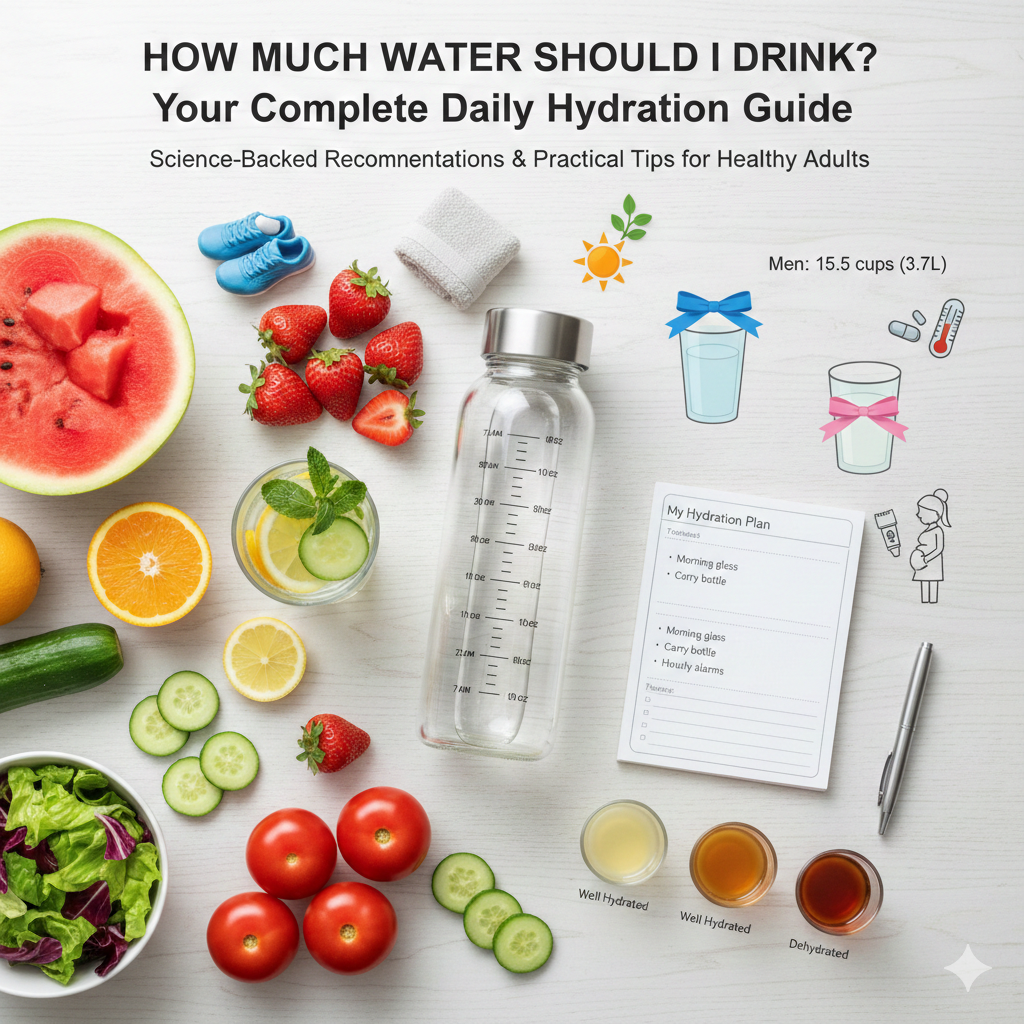
Water is the foundation of life, yet many of us struggle to answer a simple question: how much water should I drink per day? While you’ve probably heard the classic “8 glasses a day” rule, the truth about your personalized water intake is more nuanced. Whether you’re an athlete, a busy professional, or someone simply trying to improve their health, understanding your body’s hydration needs can transform your energy levels, skin quality, and overall wellbeing.
In this comprehensive guide, we’ll explore the science-backed recommendations for daily water consumption, help you calculate your individual needs, and share practical hydration tips for healthy adults that you can start using today.
Understanding Your Body’s Water Needs
Your body is approximately 60% water, making hydration essential for virtually every bodily function. From regulating temperature to transporting nutrients, water plays a critical role in keeping you alive and thriving.
The Truth About Daily Water Intake
The National Academies of Sciences, Engineering, and Medicine determined that adequate daily fluid intake is approximately:
- For men: About 15.5 cups (3.7 liters) of fluids daily
- For women: About 11.5 cups (2.7 liters) of fluids daily
However, these numbers include fluids from all beverages and food sources, not just plain water. Roughly 20% of your daily water intake typically comes from food and drinks, meaning you need to consciously drink the remaining 80%.
Factors That Influence Your Recommended Water Consumption
Your personalized water intake calculator should account for several individual factors:
Physical Activity: Water intake during exercise increases significantly. You should drink an extra 1.5 to 2.5 cups for short bouts of exercise, and even more for intense or prolonged workouts.
Environment: Water intake in hot climates or humid conditions requires adjustment. You’ll lose more fluids through sweat, demanding increased consumption.
Health Status: Certain medical conditions, including fever, vomiting, or diarrhea, increase your fluid requirements.
Pregnancy and Breastfeeding: Women who are pregnant or nursing need additional fluids. How much water for pregnant or breastfeeding women typically ranges from 10 to 13 cups daily.
How Much Water Should Different Groups Drink?
Water Intake for Adults and Kids
Children’s hydration needs vary by age:
- Ages 4-8: 5 cups daily
- Ages 9-13: 7-8 cups daily
- Ages 14-18: 8-11 cups daily
How Much Water Should a Woman Drink Daily
Women generally need about 11.5 cups (2.7 liters) of total fluids per day. This recommendation increases during pregnancy to approximately 10 cups of water, and during breastfeeding to about 13 cups.
Hormonal fluctuations during menstruation may also affect hydration needs, as some women experience increased water retention or bloating.
How Much Water Should a Man Drink Daily
Men typically require about 15.5 cups (3.7 liters) of total fluids daily. Men generally have more muscle mass than women, and muscle tissue contains more water than fat tissue, explaining this higher requirement.
Active men, especially those engaged in physical labor or regular exercise, may need significantly more to compensate for fluid loss through sweat.
Water Intake for Fitness and Active Lifestyles
How to Stay Hydrated During Exercise
For optimal water intake for fitness, follow this timeline:
Before Exercise: Drink 15-20 ounces of water 2-3 hours before your workout, then another 8-10 ounces 20-30 minutes before starting.
During Exercise: Consume 7-10 ounces every 10-20 minutes during your workout.
After Exercise: Drink 16-24 ounces for every pound of body weight lost during activity.
Athletes and fitness enthusiasts should pay special attention to electrolyte balance, especially during prolonged or intense sessions lasting more than an hour.
Signs You’re Not Drinking Enough Water
Signs of Dehydration in Adults
Recognizing the effects of not drinking enough water is crucial for maintaining health:
- Dark yellow or amber-colored urine
- Feeling thirsty or having a dry mouth
- Fatigue and decreased energy levels
- Dizziness or lightheadedness
- Headaches
- Dry skin and lips
- Constipation
- Decreased urination frequency
Severe dehydration can lead to more serious symptoms including rapid heartbeat, sunken eyes, confusion, and fainting. If you experience these, seek medical attention immediately.
The Health Benefits of Proper Hydration
Water Benefits for Digestion
Adequate hydration helps break down food, allowing your body to absorb nutrients more efficiently. Water also softens stool, preventing constipation and promoting regular bowel movements. Without sufficient water, your digestive system struggles to function optimally.
Drinking Water for Healthy Skin
Your skin is the largest organ in your body and contains approximately 30% water. Proper hydration helps maintain skin elasticity, flush out toxins, and reduce the appearance of fine lines. While drinking water alone won’t eliminate wrinkles, chronic dehydration can make your skin look dull and more prone to wrinkling.
How Water Helps with Weight Loss
Water plays several roles in weight management:
- Increases feelings of fullness, reducing calorie intake
- Boosts metabolism temporarily
- Helps your body burn fat and metabolize stored carbohydrates
- Replaces high-calorie beverages when chosen as your primary drink
Drinking water before meals may help reduce appetite, leading to lower calorie consumption and supporting weight loss efforts.
Water Intake to Prevent Kidney Stones
Staying well-hydrated dilutes the substances in urine that lead to kidney stone formation. Studies show that drinking enough water can reduce kidney stone risk by up to 50%. Aim for pale yellow urine as an indicator of adequate hydration for kidney health.
Practical Tips: How to Drink Enough Water Every Day
10 Tips to Drink More Water Daily
- Start Your Morning with Water: Drink a glass immediately after waking to rehydrate after sleep.
- Carry a Reusable Bottle: Keep water accessible throughout your day.
- Set Hourly Reminders: Use phone alerts to prompt regular sipping.
- Flavor Your Water Naturally: Add cucumber, lemon, berries, or mint for variety without added sugars.
- Eat Water-Rich Foods: Incorporate foods high in water content like watermelon, cucumbers, and oranges.
- Create Drinking Triggers: Link water consumption to regular activities—drink water every time you check email or after using the bathroom.
- Track Your Intake: Use apps or mark your water bottle with time goals.
- Choose Sparkling Water: If you find plain water boring, unsweetened sparkling water counts toward your daily intake.
- Drink Before Meals: Make it a habit to have a glass 30 minutes before eating.
- Monitor Your Urine Color: Aim for pale yellow; dark yellow indicates you need more water.
Best Drinks for Hydration Besides Water
While water is ideal, other beverages can contribute to your daily water intake from food and drinks:
- Herbal teas (caffeine-free)
- Coconut water (natural electrolytes)
- Milk (provides hydration plus nutrients)
- Fresh vegetable juice (low sugar options)
- Diluted fruit juice (limit to small amounts due to sugar)
Limit caffeinated and alcoholic beverages, as they have mild diuretic effects that can increase fluid loss.
Foods High in Water Content
Boost your hydration through nutrition:
- Cucumbers: 96% water
- Lettuce: 95% water
- Celery: 95% water
- Tomatoes: 94% water
- Watermelon: 92% water
- Strawberries: 91% water
- Cantaloupe: 90% water
- Oranges: 88% water
Incorporating these into your meals provides easy ways to increase water intake naturally.
Special Considerations for Hydration
Hydration Tips for Older Adults
As we age, our sense of thirst diminishes, putting older adults at higher risk for dehydration. Additionally, certain medications can increase fluid loss. Seniors should:
- Drink water on a schedule rather than waiting for thirst
- Monitor medication side effects
- Keep water easily accessible throughout the day
- Consume hydrating foods with meals
Water and Electrolyte Balance
While increasing water consumption is generally beneficial, extremely excessive intake without adequate electrolytes can lead to hyponatremia (low sodium levels). This is rare in average individuals but can occur in endurance athletes or those with certain medical conditions.
To maintain proper electrolyte balance:
- Consume a balanced diet with adequate sodium, potassium, and magnesium
- Consider electrolyte drinks during prolonged intense exercise
- Don’t force excessive water consumption beyond your body’s signals
Best Times to Drink Water for Health
Strategic timing can maximize water’s benefits:
- Upon waking: Rehydrates your body and kickstarts metabolism
- Before meals: May aid digestion and reduce overeating
- Before, during, and after exercise: Maintains performance and recovery
- When feeling tired: Dehydration often manifests as fatigue
- Before bed: Only a small amount; excessive intake disrupts sleep with bathroom trips
Frequently Asked Questions
Q: Can you drink too much water?
A: Yes, though it’s uncommon. Drinking excessive amounts in a short period can lead to water intoxication or hyponatremia, diluting blood sodium to dangerous levels. Listen to your body’s thirst signals and spread consumption throughout the day.
Q: Does coffee or tea count toward daily water intake?
A: Yes, caffeinated beverages do contribute to your daily fluid intake, though they have a mild diuretic effect. Moderate caffeine consumption (up to 400mg daily) doesn’t significantly impact hydration status for regular consumers.
Q: How can I tell if I’m drinking enough water?
A: The simplest indicator is urine color. Pale yellow suggests adequate hydration, while dark yellow or amber indicates you need more fluids. You should also rarely feel thirsty and urinate regularly throughout the day.
Q: Should I drink water even when I’m not thirsty?
A: Yes, especially if you’re older, active, or in hot environments. Thirst isn’t always a reliable indicator of hydration needs. By the time you feel thirsty, you may already be mildly dehydrated.
Q: How does body weight affect water needs?
A: A common formula suggests drinking half your body weight in ounces. For example, a 160-pound person would aim for 80 ounces (10 cups) of water daily. This provides a personalized baseline to adjust based on activity level and environment.
Q: Is it better to sip water throughout the day or drink larger amounts at once?
A: Sipping consistently throughout the day is generally more effective than drinking large amounts infrequently. Your body can only absorb a certain amount at once, and steady intake helps maintain consistent hydration levels.
Q: Do certain foods or drinks dehydrate you?
A: Alcohol is the primary dehydrating beverage. High-sodium and high-sugar foods may increase thirst. While caffeine has mild diuretic effects, regular consumers develop tolerance, minimizing this impact.
Conclusion: Your Personalized Path to Better Hydration
Understanding how much water should I drink per day isn’t about following a one-size-fits-all rule. Your ideal daily water intake guide depends on your individual circumstances, including gender, activity level, climate, and health status. While general recommendations suggest 11.5 cups for women and 15.5 cups for men, these are starting points for creating your personalized water intake calculator.
The key to successful hydration lies in consistency and awareness. Monitor your urine color, listen to your body’s signals, and implement practical hydration tips for healthy adults like carrying a reusable bottle and eating water-rich foods. Remember that preventing dehydration naturally is far easier than treating it, and the water benefits for digestion, skin health, weight management, and overall wellness make proper hydration one of the simplest yet most powerful health habits you can develop.
Start today by committing to just one change—whether that’s drinking a glass of water first thing in the morning or setting hourly reminders on your phone. Small steps toward adequate recommended water consumption can lead to significant improvements in how you look, feel, and perform every single day.