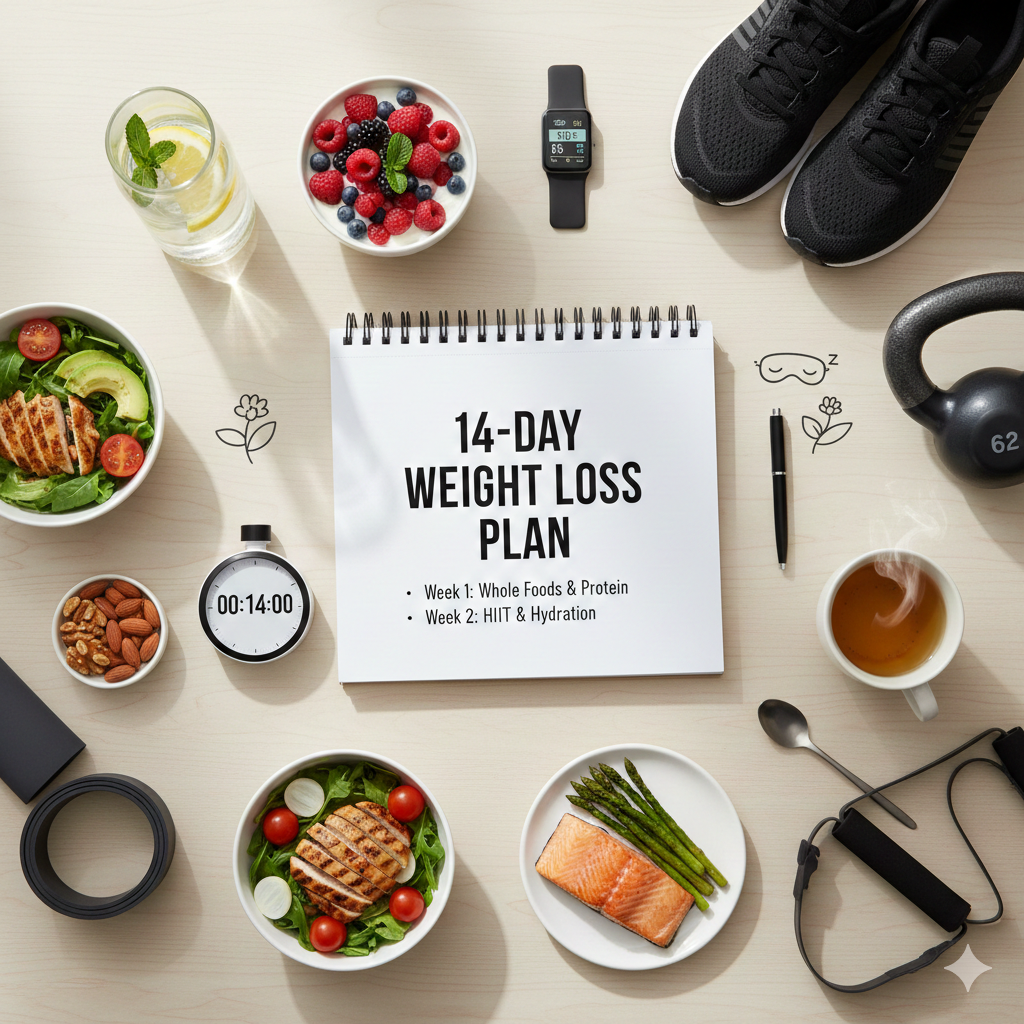
Are you tired of complicated diet plans that promise the world but leave you confused and frustrated? I understand. Losing weight doesn’t have to be rocket science. In this guide, I’ll walk you through a straightforward 14-day approach to weight loss that actually works—no gimmicks, just real results.
Understanding Weight Loss: The Basics
Before we dive into the 14-day plan, let’s get one thing straight: weight loss happens when you burn more calories than you eat. This is called a calorie deficit. It’s not magic—it’s simple math that your body understands perfectly.
When you create a calorie deficit of 500-750 calories per day, you can safely lose about 1-2 pounds per week. Over 14 days, that means you could lose 2-4 pounds. Some people lose more, especially in the first week, but remember—sustainable weight loss is a marathon, not a sprint.
The Science of Your Metabolism
Your metabolism is like your body’s engine. It burns calories 24/7, even when you’re sleeping. The faster your metabolism runs, the more calories you burn throughout the day.
Here’s the good news: you can boost your metabolism naturally through the right combination of diet and exercise. When you eat protein-rich foods and do strength training, you build lean body mass—and muscle burns more calories than fat, even at rest.
Week 1: Getting Started Right
Days 1-3: Jumpstarting Your Journey
The first three days are crucial. This is when your body starts adapting to new habits, and honestly, it’s when most people struggle the most. But I’m going to make it easier for you.
Start with your diet: Focus on whole foods—fruits, vegetables, lean proteins, and whole grains. Cut out processed foods and sugary drinks. These simple swaps alone can create a significant calorie deficit without leaving you hungry.
Add more protein: Eating a high-protein diet does three amazing things. First, it helps you feel full longer, so you’re not constantly battling hunger. Second, it preserves your muscle mass while you lose fat. Third, your body actually burns more calories digesting protein than it does digesting carbs or fats.
Good protein sources include:
- Chicken breast
- Fish
- Eggs
- Greek yogurt
- Beans and lentils
- Lean beef
Increase your fiber intake: Foods high in fiber keep you satisfied and help your digestive system run smoothly. Aim for vegetables, fruits, whole grains, and legumes. Fiber also helps stabilize your blood sugar, preventing those afternoon energy crashes that send you running to the vending machine.
Days 4-7: Building Consistency
By day four, you’re getting the hang of things. Now it’s time to refine your approach.
Start tracking: Use a simple food journal or app to monitor your calorie intake. You don’t need to obsess over every calorie, but awareness is powerful. This is called self-monitoring, and studies show it’s one of the most effective tools for weight loss.
Add exercise: You can’t out-exercise a bad diet, but combining healthy eating with physical activity accelerates results. Start with 30 minutes of cardio daily—walking, jogging, cycling, or swimming. The key is consistency, not intensity.
Try strength training: Pick up some weights or do bodyweight exercises like push-ups and squats. Resistance training builds muscle, and remember—more muscle means a faster metabolism. You’ll burn more calories even while watching TV.
Prioritize sleep: This might surprise you, but getting 7-8 hours of sleep each night is crucial for weight loss. When you’re sleep-deprived, your body produces more hunger hormones and fewer satiety hormones. You’ll crave junk food and lack the willpower to resist it.
Week 2: Intensifying Your Efforts
Days 8-10: Breaking Through Plateaus
Around day 8, some people hit a plateau. The scale stops moving, and frustration sets in. Don’t panic—this is normal. Your body is adjusting.
Try intermittent fasting: Intermittent fasting means restricting your eating to specific hours. A popular method is the 16/8 approach—fast for 16 hours, eat within an 8-hour window. For example, if you finish dinner at 7 PM, don’t eat again until 11 AM the next day. This naturally reduces your calorie intake and gives your digestive system a break.
Incorporate HIIT: High-intensity interval training (HIIT) burns more calories in less time than steady-state cardio. Try alternating 30 seconds of intense exercise (like sprinting or burpees) with 30 seconds of rest. Just 20 minutes of HIIT three times a week can significantly reduce body fat.
Add probiotics: Your gut health affects your weight more than you might think. Probiotics—beneficial bacteria found in yogurt, kimchi, and supplements—can help with weight management and reduce belly fat.
Days 11-14: Finishing Strong
The final stretch! By now, healthy eating and exercise should feel more natural.
Focus on hydration: Drinking enough water throughout the day supports fat loss in multiple ways. It boosts your metabolism, helps control hunger, and supports every cellular process in your body. Aim for at least 8 glasses daily, more if you’re exercising.
Manage your carbs wisely: I’m not saying cut carbs completely, but reducing refined carbs like white bread, pastries, and sugary cereals can accelerate weight loss. Replace them with complex carbs like quinoa, sweet potatoes, and brown rice. These provide sustained energy without the blood sugar spikes.
Monitor your progress beyond the scale: Don’t obsess over the number on the scale. Take body measurements—waist, hips, thighs. Take progress photos. Pay attention to how your clothes fit and how you feel. Sometimes the scale doesn’t move, but you’re losing inches and gaining energy.
Understanding Water Weight vs. Fat Loss
In the first week, you’ll likely lose water weight. This is normal and happens when you reduce carbs and sodium. Don’t get discouraged when the scale slows down in week two—that’s when you’re burning actual fat, which is what really matters.
True fat loss is slower but more meaningful. Focus on losing fat while preserving muscle mass through adequate protein intake and strength training.
Essential Nutrients for Weight Loss
Iron intake: Many people, especially women, don’t get enough iron. Iron deficiency can slow your metabolism and leave you feeling exhausted. Include iron-rich foods like lean red meat, spinach, and fortified cereals in your diet.
Healthy fats: Don’t fear fat! Healthy fats from sources like avocados, nuts, olive oil, and fatty fish are essential. They help you feel satisfied, support hormone production, and can actually help you lose visceral fat—the dangerous fat around your organs.
Coffee and green tea: Both contain caffeine, which temporarily boosts your metabolism and enhances fat burning. Green tea also contains antioxidants that support weight loss. Just skip the sugar and cream.
The Role of Portion Control and Mindful Eating
Even healthy foods can cause weight gain if you eat too much. Portion control is essential. Use smaller plates, measure your servings, and listen to your hunger cues.
Mindful eating means paying attention to what and how you eat. Eat slowly, chew thoroughly, and stop when you’re satisfied—not stuffed. Put away your phone and turn off the TV during meals. This simple practice can prevent overeating and help you enjoy your food more.
Creating Your Personal Meal Plan
A successful meal plan includes:
- Lean protein at every meal
- Plenty of vegetables (aim for 2-3 cups daily)
- Moderate amounts of healthy fats
- Complex carbs in controlled portions
- Adequate fiber (25-30 grams daily)
Sample day:
- Breakfast: Greek yogurt with berries and a handful of nuts
- Lunch: Grilled chicken salad with olive oil dressing
- Snack: Apple with almond butter
- Dinner: Baked salmon with roasted vegetables and quinoa
Exercise Strategy for Maximum Results
Combine different types of physical activity for best results:
Cardio (4-5 days/week): Walking, jogging, cycling, or swimming for 30-45 minutes. This burns calories and improves heart health.
Strength training (3 days/week): Weights, resistance bands, or bodyweight exercises. This builds muscle and boosts metabolism.
HIIT (2-3 days/week): Short, intense bursts that maximize calorie burn in minimal time.
Active recovery: Yoga, stretching, or leisurely walks on rest days keep you moving without overtraining.
Safety Considerations
While rapid weight loss is tempting, safety comes first. Never eat fewer than 1,200 calories daily without medical supervision. Extreme calorie restriction can slow your metabolism, cause nutrient deficiencies, and lead to muscle loss.
If you experience dizziness, extreme fatigue, or other concerning symptoms, consult a healthcare professional. Everyone’s body is different, and what works for someone else might not work for you.
Beyond 14 Days: Maintaining Your Results
The real challenge isn’t losing weight—it’s keeping it off. After your 14-day challenge, continue these healthy habits:
- Keep eating whole, nutritious foods
- Maintain regular exercise routines
- Get consistent, quality sleep
- Manage stress through meditation, hobbies, or time with loved ones
- Stay hydrated
- Continue tracking progress periodically
Final Thoughts
Losing weight in 14 days is achievable, but remember—this is just the beginning of your journey to a healthier life. The habits you build during these two weeks should become permanent lifestyle changes.
Focus on progress, not perfection. Some days will be harder than others, and that’s okay. What matters is consistency over time. Celebrate small victories—more energy, better sleep, clothes fitting better—not just the number on the scale.
Your body is capable of amazing transformations when you fuel it properly, move it regularly, and give it adequate rest. These 14 days are your opportunity to prove to yourself that you can take control of your health.
Start today. Your future self will thank you.
Remember: Sustainable weight loss averages 1-2 pounds per week. Be patient with yourself, trust the process, and focus on building habits that will serve you for a lifetime, not just two weeks.