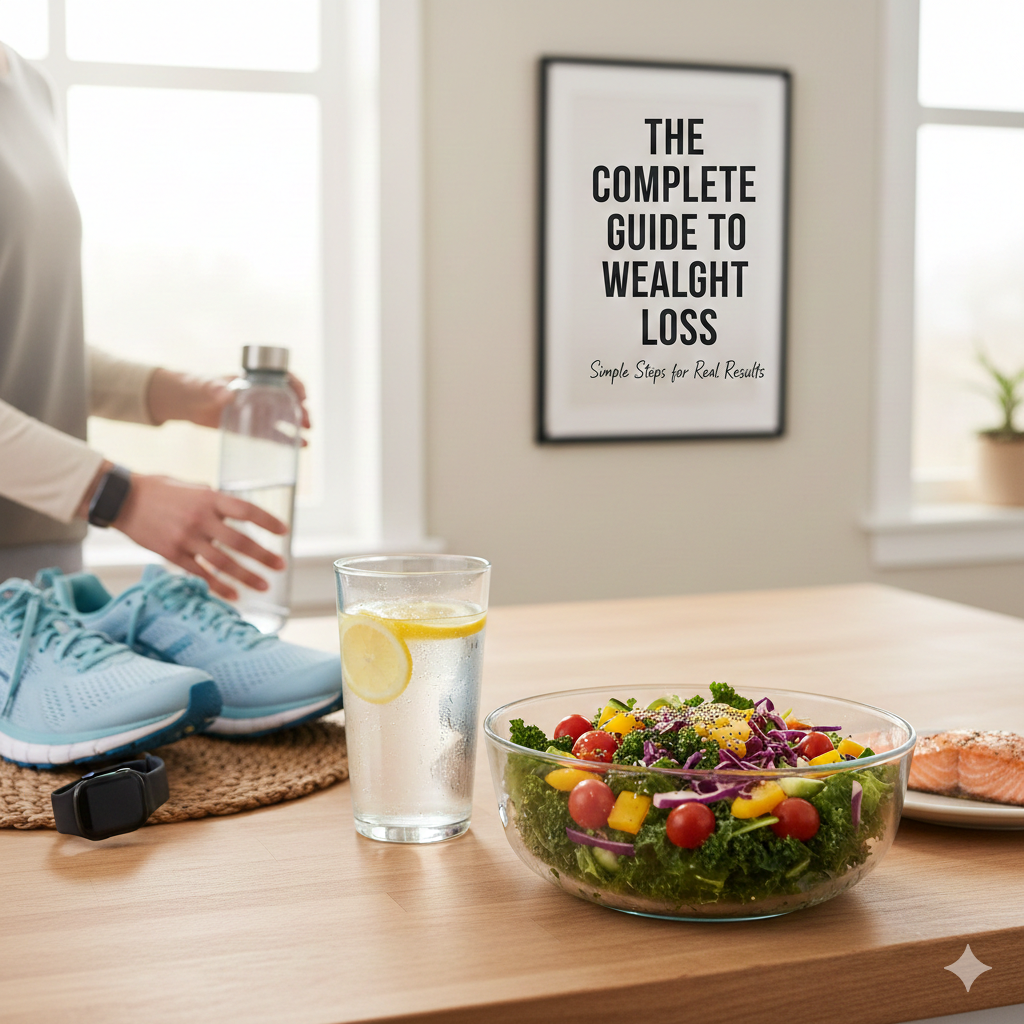
Losing weight can feel overwhelming with all the conflicting information out there. But the truth is, healthy weight loss doesn’t require extreme diets or punishing workout routines. It’s about making sustainable changes that fit into your life. Let me share what actually works, based on science and real-world success.
Understanding Weight Loss Basics
Before diving into strategies, let’s talk about what weight loss really means. Your body mass index (BMI) is a helpful starting point to understand if you’re at a healthy weight. But remember, it’s just one measure. How you feel, your energy levels, and your overall health matter just as much.
Weight loss happens when you create a calorie deficit – burning more calories than you consume. But this doesn’t mean starving yourself. It means making smarter choices about what you eat and how you move throughout the day.
Building a Balanced Diet That Works
Focus on Whole Foods
The foundation of any successful weight loss journey starts with what’s on your plate. Whole foods are your best friends. These are foods that look similar to how they appear in nature – fresh vegetables, fruits, lean proteins, and whole grains.
When you base your meals on whole, single-ingredient foods, something magical happens. You naturally eliminate most processed foods, added sugars, and unhealthy fats. These whole foods are naturally filling, making it easier to eat less without feeling deprived.
Think about it: a plate of grilled chicken with roasted vegetables and brown rice versus a fast-food burger. Both might have similar calories, but the whole food meal will keep you satisfied for hours, while the processed option leaves you hungry again within an hour.
The Power of Lean Proteins
Protein is absolutely crucial for weight loss. When you eat protein, your body actually burns calories just digesting it. This means a high-protein diet can boost your metabolism naturally.
But there’s more. Protein keeps you feeling full and satisfied. Studies show that people who eat more protein naturally eat fewer calories throughout the day without even trying. Start your morning with eggs instead of sugary cereal, and you’ll notice the difference immediately.
Good protein sources include chicken breast, fish, lean beef, eggs, Greek yogurt, beans, and lentils. Aim to include protein in every meal.
Load Up on Vegetables and Fruits
Vegetables and fruits are weight loss superstars. They’re packed with nutrients and fiber while being low in calories. This means you can eat generous portions without worrying about overdoing it.
The fiber in these foods helps you feel full and keeps your digestive system running smoothly. Plus, the vitamins and minerals support your overall health, giving you more energy for exercise and daily activities.
Aim for at least five portions of fruits and vegetables daily. A portion is about 80 grams – roughly a handful. Mix different colors to get a variety of nutrients.
Understanding Carbohydrates
Not all carbs are created equal. Refined carbs like white bread, pastries, and sugary snacks can actually work against your weight loss goals. They spike your blood sugar, leave you hungry quickly, and are easy to overeat.
Instead, choose whole grains like brown rice, quinoa, oats, and whole wheat bread. These provide steady energy and keep you satisfied longer. Some people find success with a low-carb diet, which can be particularly effective for reducing belly fat.
The key is finding what works for your body. Some people thrive on moderate carbs from whole grains, while others feel better with fewer carbs and more healthy fats.
Staying Hydrated: The Forgotten Weight Loss Tool
Water doesn’t have any magic fat-burning properties, but it’s still incredibly important for weight loss. Many times, we think we’re hungry when we’re actually just thirsty. Drinking water before meals can help you eat less naturally.
Aim for 8-10 glasses of water daily. If plain water feels boring, add slices of lemon, lime, or cucumber for flavor. Unsweetened green tea is another excellent choice – it’s loaded with antioxidants and may help boost fat burning.
Cut back on sugary drinks like soda, sweetened coffee drinks, and fruit juices. These liquid calories add up quickly without making you feel full.
Moving Your Body: Exercise That Works
The 150-Minute Rule
Health experts recommend at least 150 minutes of moderate physical activity per week. This breaks down to just 30 minutes, five days a week. You don’t need to run marathons or spend hours at the gym.
Moderate exercise includes brisk walking, swimming, cycling, or dancing. The key is finding activities you actually enjoy. If you hate running, don’t force yourself to run. Try different activities until you find what makes you happy.
Strength Training Matters
Many people, especially women, focus only on cardio and skip strength training. This is a mistake. Building lean muscle mass through resistance exercises helps you burn more calories even when you’re resting.
You don’t need fancy equipment. Bodyweight exercises like pushups, squats, and lunges work great. As you get stronger, you can add dumbbells or resistance bands.
Aim for at least two strength training sessions per week, working all major muscle groups.
Making Movement a Lifestyle
Beyond structured exercise, look for ways to move more throughout your day. This is especially important if you work from home or have a desk job.
Take movement breaks every hour. Stand up, stretch, or walk around for a few minutes. Use a standing desk if possible, or alternate between sitting and standing. Take phone calls while walking. Park farther away from store entrances. Take the stairs instead of the elevator.
These small changes add up significantly over time. An active lifestyle burns hundreds of extra calories daily without feeling like formal exercise.
Portion Control Without Feeling Deprived
You don’t have to eat tiny portions to lose weight, but being mindful of serving sizes helps. Here’s a simple trick: use smaller plates. Your brain perceives a full small plate as more satisfying than a half-empty large plate.
Learn to recognize proper portions. A serving of meat should be about the size of your palm. A portion of rice or pasta fits in your cupped hand. Don’t feel obligated to clean your plate if you’re full – save leftovers for tomorrow.
Reading food labels helps too. You might be surprised how small a “serving” actually is for many packaged foods.
The Importance of Quality Sleep
Sleep might be the most underrated factor in weight loss. When you don’t get enough sleep, your body produces more hunger hormones and fewer fullness hormones. This makes you naturally want to eat more, especially high-calorie, high-carb foods.
Lack of sleep also disrupts your metabolism and reduces your motivation to exercise. Aim for 7-9 hours of quality sleep each night. Create a relaxing bedtime routine, keep your bedroom cool and dark, and avoid screens for an hour before bed.
Managing Stress for Weight Loss Success
Stress and weight gain go hand in hand. When you’re stressed, your body releases cortisol, which can increase appetite and cravings for comfort foods. Stress also leads to emotional eating – using food to cope with feelings rather than hunger.
Find healthy ways to manage stress. This might include yoga, meditation, deep breathing exercises, spending time in nature, or talking with friends. Regular exercise is also a powerful stress reliever.
Mindful Eating: The Game Changer
Mindful eating means paying full attention to your food and eating experience. Turn off the TV, put away your phone, and focus on your meal. Chew slowly and savor each bite.
This practice helps you recognize when you’re actually full, preventing overeating. It also makes meals more satisfying, so you’re less likely to snack later. Listen to your body’s hunger and fullness cues rather than eating by the clock or because food is available.
Setting Realistic Goals and Staying Consistent
Healthy weight loss is typically 1-2 pounds per week. This might sound slow, but it’s sustainable and more likely to stay off long-term. Rapid weight loss often results in losing muscle mass along with fat, and most people regain the weight quickly.
Set specific, achievable goals. Instead of “I want to lose weight,” try “I’ll walk 30 minutes five days this week” or “I’ll eat vegetables with dinner every night.” These concrete goals give you clear actions to take.
Consistency matters more than perfection. You don’t need to be perfect every single day. If you have a less healthy meal or skip a workout, just get back on track with your next choice. Don’t let one setback derail your entire journey.
Finding Your Support System
Share your weight loss plan with people you trust. Having support makes a huge difference in staying motivated, especially on challenging days. This might be a friend, family member, or online community.
Some people benefit from working with a nutritionist or personal trainer. Others find success in group programs. The key is having accountability and encouragement from others who understand what you’re trying to achieve.
Making It Last: Lifestyle Over Diet
Here’s the most important truth about weight loss: temporary changes create temporary results. “Going on a diet” implies you’ll eventually go off it. Instead, focus on building a healthy lifestyle you can maintain forever.
This means finding a way of eating and moving that you genuinely enjoy and can stick with long-term. It means allowing yourself occasional treats without guilt. It means viewing setbacks as learning opportunities rather than failures.
The Bottom Line
Healthy weight loss isn’t about deprivation or extreme measures. It’s about nourishing your body with whole foods, staying active in ways you enjoy, getting enough sleep, managing stress, and being patient with yourself.
Start with small changes. Maybe this week you’ll add an extra serving of vegetables to dinner and take a 20-minute walk each day. Next week, you might focus on drinking more water and going to bed 30 minutes earlier.
These small steps add up to significant results over time. Remember, this is about becoming healthier and feeling better, not just seeing a number on the scale. Celebrate every positive change you make, no matter how small.
Your weight loss journey is unique to you. What works for someone else might not work for you, and that’s okay. Be patient, stay consistent, and trust the process. You’ve got this!