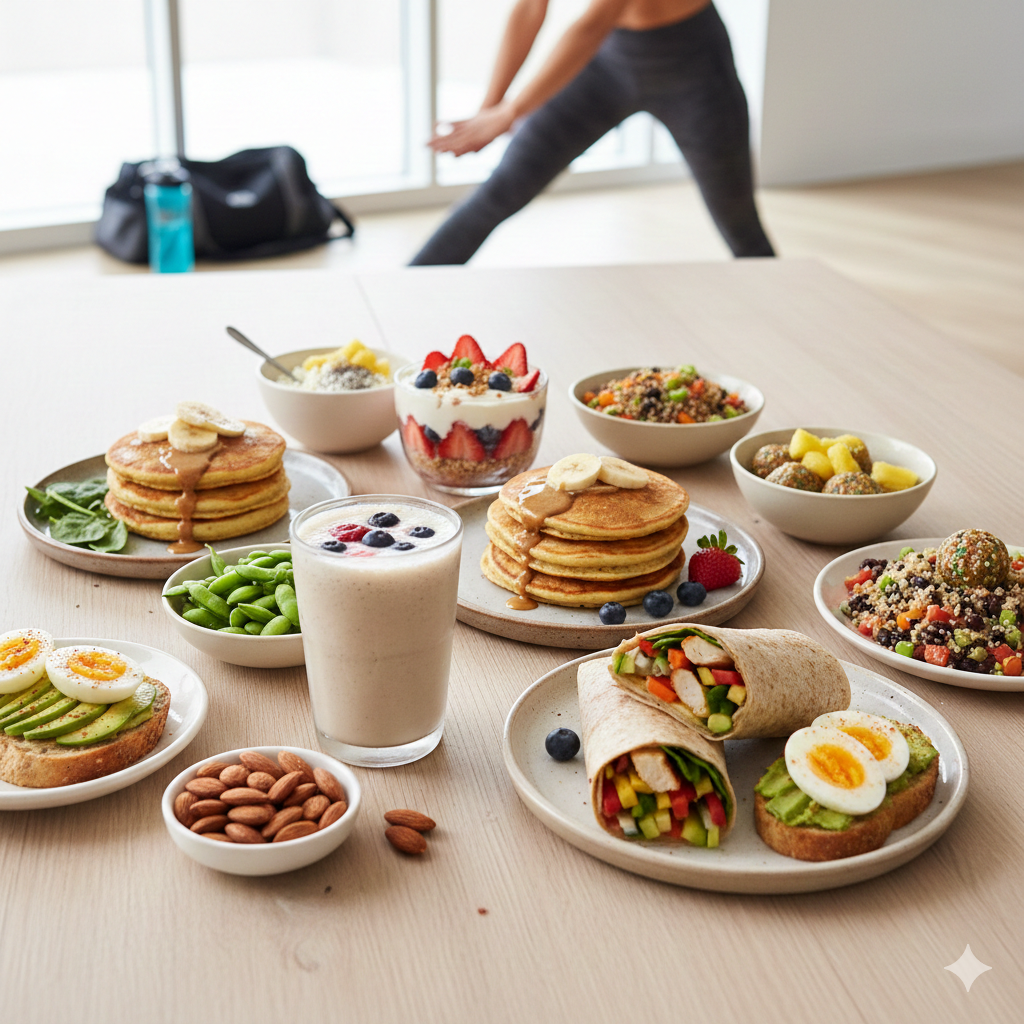
You’ve just crushed your workout. Your muscles are pumped, your heart rate is elevated, and you’re feeling accomplished. But here’s the thing—what you do in the next 30 to 60 minutes can make or break your fitness progress. The post-workout window is when your body craves nutrients most, and choosing the right post-workout protein snacks can determine whether you build muscle, recover faster, or feel sore for days.
In this comprehensive guide, we’ll explore everything you need to know about post-workout nutrition, from the best protein-rich snacks to the science behind muscle recovery. Whether you’re a gym newbie or a seasoned athlete, you’ll discover practical, delicious options to maximize your gains and minimize recovery time.
Why Post-Workout Nutrition Matters
After an intense training session, your muscles have depleted their glycogen stores and experienced microscopic tears. This might sound alarming, but it’s actually how muscle growth happens. Your body needs the right nutrients to repair this damage and come back stronger.
Research shows that consuming protein after exercise helps stimulate muscle protein synthesis—the process your body uses to repair and build muscle tissue. Without adequate nutrition, you’re essentially doing all that hard work for minimal results.
The key components your body needs post-workout include:
- Protein to repair muscle fibers and promote growth
- Carbohydrates to replenish glycogen stores
- Fluids and electrolytes to rehydrate and restore balance
- Vitamins and minerals to support overall recovery
Understanding the Anabolic Window
You’ve probably heard about the “anabolic window”—that magical 30-minute period after training when your muscles supposedly absorb nutrients like a sponge. While recent studies suggest this window might be longer than previously thought (up to 2 hours), the principle remains valid: eating protein soon after your workout enhances recovery.
The timing isn’t as critical as once believed, but eating within an hour or two of finishing your workout ensures you’re providing your body with what it needs when it’s most receptive.
Best Protein for Muscle Recovery: Types That Work
Not all proteins are created equal when it comes to post-workout recovery. Here’s what you need to know about different protein sources:
Whey Protein: The Gold Standard
Whey protein post-workout benefits are well-documented in sports nutrition research. This fast-digesting protein derived from milk contains all nine essential amino acids and is particularly rich in leucine—the amino acid that triggers muscle protein synthesis.
Why whey works:
- Absorbs quickly (within 30-60 minutes)
- High biological value
- Convenient and versatile
- Proven to enhance muscle recovery
Plant-Based Protein Post Workout
For vegans, vegetarians, or those with dairy sensitivities, plant-based protein post-workout options have come a long way. Quality plant proteins can be just as effective as whey when chosen wisely.
Top plant-based options include:
- Pea protein (rich in branched-chain amino acids)
- Hemp protein (contains omega-3 fatty acids)
- Rice protein (hypoallergenic and easily digestible)
- Soy protein (complete amino acid profile)
The key is ensuring you’re getting a complete amino acid profile, which might mean combining different plant sources.
Top 15 Post-Workout Protein Snacks You Can Make Today
Let’s get practical. Here are high-protein foods after gym sessions that are both nutritious and delicious:
Quick and Convenient Options
- Greek Yogurt Parfait
- 1 cup Greek yogurt (20g protein)
- Fresh berries
- Handful of granola
- Drizzle of honey
- Protein Smoothie
- 1 scoop whey or plant protein
- Banana
- Spinach
- Almond milk
- Ice
- Hard-Boiled Eggs with Whole Grain Toast
- 2-3 eggs (12-18g protein)
- 1 slice whole grain bread
- Avocado slices
- Cottage Cheese Bowl
- 1 cup cottage cheese (28g protein)
- Pineapple chunks
- Chia seeds
- Protein Energy Balls
- Oats, protein powder, nut butter, honey
- No-bake and portable
- Make batches ahead of time
Heartier Post-Workout Meals
- Grilled Chicken Wrap
- 4 oz grilled chicken (35g protein)
- Whole wheat tortilla
- Vegetables and hummus
- Tuna Salad on Crackers
- 1 can tuna (25g protein)
- Whole grain crackers
- Mixed with Greek yogurt instead of mayo
- Protein Pancakes
- Made with protein powder, oats, and eggs
- Top with banana and nut butter
- Turkey and Cheese Roll-Ups
- Deli turkey slices
- Low-fat cheese
- Mustard and vegetables
- Edamame and Almonds
- 1 cup edamame (17g protein)
- Small handful of almonds
- Light sea salt
Plant-Based Powerhouses
- Chickpea Salad
- 1 cup chickpeas (15g protein)
- Vegetables, olive oil, lemon juice
- Peanut Butter Banana Sandwich
- 2 tbsp peanut butter (8g protein)
- Banana slices
- Whole grain bread
- Quinoa Protein Bowl
- 1 cup cooked quinoa (8g protein)
- Black beans, vegetables
- Lime dressing
- Hummus and Veggie Sticks
- ½ cup hummus (10g protein)
- Carrots, celery, bell peppers
- Overnight Oats
- Oats, protein powder, chia seeds
- Almond milk, berries
- Prepare the night before
How to Balance Protein and Carbs After Gym
While protein gets most of the attention, carbohydrates play an equally important role in post-workout recovery. The best post-workout meals for growth include both macronutrients working together.
The ideal ratio depends on your workout type:
- Endurance training: 3:1 or 4:1 carbs to protein
- Strength training: 2:1 or 3:1 carbs to protein
- General fitness: 2:1 carbs to protein
Carbs after workout for muscle gain serve multiple purposes:
- Replenish depleted glycogen stores
- Trigger insulin release (which aids nutrient absorption)
- Prevent muscle breakdown
- Reduce cortisol levels
Post-Workout Meal Timing: When Should You Eat?
The question “how soon to eat after workout” doesn’t have a one-size-fits-all answer, but here are evidence-based guidelines:
Optimal timing windows:
- Ideal: Within 30-60 minutes for maximum benefit
- Good: Within 2 hours still provides significant recovery benefits
- Acceptable: Within 3-4 hours if you ate a substantial meal before training
For morning workouts, prioritize eating within the first hour. For evening sessions, your regular dinner can serve as your recovery meal if timed properly.
Special Considerations for Different Goals
Muscle Building Snack Ideas
If your primary goal is hypertrophy, focus on:
- Higher overall protein intake (0.7-1g per pound of body weight)
- Adequate calories to support growth
- Combination of fast and slow-digesting proteins
Weight Loss and Recovery
For those cutting weight while maintaining muscle:
- Prioritize protein to preserve lean mass
- Moderate carbohydrate portions
- Choose nutrient-dense, lower-calorie options
- Don’t skip post-workout nutrition entirely
Post-Workout Meals at Night
Training in the evening presents unique challenges. Night gym recovery snacks should be:
- Lighter in portion but still protein-rich
- Easy to digest before bed
- Low in added sugars to avoid sleep disruption
Best options include:
- Casein protein shake (slow-digesting)
- Cottage cheese with berries
- Turkey slices with cucumber
- Light post-workout dinner ideas like grilled fish with vegetables
Common Mistakes to Avoid
Even with good intentions, many people sabotage their recovery with these errors:
- Waiting too long to eat – Don’t let more than 2 hours pass
- Only focusing on protein – Carbs are essential too
- Overdoing portion sizes – More isn’t always better
- Choosing processed “protein” snacks – Whole foods are superior
- Forgetting hydration – Water is crucial for nutrient transport
- Inconsistent nutrition – One good meal won’t undo poor overall eating
How to Minimize Soreness Post Workout with Food
While delayed onset muscle soreness (DOMS) is partly inevitable, nutrition can help reduce its severity:
- Anti-inflammatory foods: Berries, fatty fish, turmeric, ginger
- Adequate protein: Supports faster muscle repair
- Tart cherry juice: Studies show it may reduce muscle damage
- Omega-3 fatty acids: Found in salmon, walnuts, flax seeds
- Proper hydration: Helps flush out metabolic waste
Building Your Personalized Post-Workout Strategy
Creating a sustainable post-workout nutrition plan involves:
Step 1: Assess Your Goals Are you building muscle, losing fat, improving endurance, or maintaining fitness?
Step 2: Calculate Your Needs Most people need 20-40g of protein and 40-80g of carbohydrates post-workout.
Step 3: Prepare in Advance Meal prep your favorite snacks on Sunday for the week ahead.
Step 4: Listen to Your Body Adjust portions and timing based on how you feel and perform.
Step 5: Stay Consistent The best post-workout snack is the one you’ll actually eat regularly.
Frequently Asked Questions
Q1: What should I eat immediately after a workout for muscle gain?
The best immediate post-workout option combines fast-digesting protein with simple carbohydrates. A protein shake with a banana is ideal, providing approximately 25-30g of protein and 30-40g of carbs. Alternatively, chocolate milk has been shown in studies to be an effective recovery drink. For whole food options, Greek yogurt with berries or a turkey sandwich on whole grain bread works well.
Q2: Is it better to have whey protein or whole foods after working out?
Both have advantages. Whey protein absorbs faster (within 30-60 minutes) and is more convenient, making it ideal when you can’t prepare a meal immediately. Whole foods provide additional nutrients, fiber, and satiety but take longer to digest. The best approach is using whey protein for convenience when needed, but relying primarily on whole food meals for overall nutrition. Many athletes use protein shakes immediately after training, followed by a whole food meal 1-2 hours later.
Q3: Can I skip post-workout nutrition if I’m trying to lose weight?
Absolutely not. Skipping post-workout nutrition can actually hinder weight loss by promoting muscle breakdown, slowing metabolism, and increasing hunger later. Instead, choose portion-controlled, protein-rich snacks that support recovery without excessive calories. Options like a small protein shake, hard-boiled eggs, or Greek yogurt with berries provide necessary nutrients for 150-250 calories—a worthwhile investment in your recovery and results.
Q4: How long does the post-workout anabolic window actually last?
Recent research suggests the anabolic window is longer than the traditional 30-minute guideline—potentially up to 4-6 hours depending on when you last ate. However, consuming protein within 1-2 hours of training is still optimal for maximizing muscle protein synthesis. If you ate a protein-rich meal 2-3 hours before training, the urgency is less critical. For fasted morning workouts, prioritize eating within the first hour.
Q5: Are plant-based proteins as effective as whey for post-workout recovery?
Yes, when chosen correctly. Quality plant-based proteins like pea, rice, or hemp protein can be equally effective if they provide all essential amino acids and sufficient leucine content. Some plant proteins are slightly slower to digest, but this doesn’t significantly impact recovery. The key is ensuring adequate protein quantity (aim for 20-40g) and, if necessary, combining different plant sources to create a complete amino acid profile. Many plant-based athletes achieve excellent results with strategic protein choices.
Q6: What are the best post-workout snacks if I train at night?
Evening workouts require lighter options that won’t disrupt sleep. Choose easily digestible proteins like casein (slow-release), cottage cheese, turkey slices, or a light protein smoothie. Avoid heavy, high-fat meals or excessive simple carbohydrates that might cause energy spikes. A good rule is keeping your post-workout snack to 200-300 calories with 20-30g of protein. This provides necessary recovery nutrients without leaving you too full or energized to sleep.
Q7: How much protein do I actually need after a workout?
Research suggests 20-40g of high-quality protein post-workout is optimal for most people. The exact amount depends on your body weight, workout intensity, and goals. A general guideline is 0.25-0.4g of protein per kilogram of body weight. For a 70kg (154lb) person, this equals approximately 18-28g of protein. Consuming more than 40g doesn’t necessarily provide additional benefits as your body can only synthesize muscle at a certain rate. Focus on quality and timing rather than excessive quantity.
Conclusion
Choosing the right post-workout protein snacks is one of the simplest yet most powerful ways to enhance your fitness results. Whether you prefer fast-digesting whey protein shakes, plant-based alternatives, or whole food options, the key is consistency and timing.
Remember these core principles: consume protein within 1-2 hours of training, include adequate carbohydrates to restore glycogen, stay hydrated, and choose nutrient-dense whole foods whenever possible. The best foods for muscle repair after gym sessions are those that combine quality protein with complementary nutrients to support complete recovery.
Start implementing these strategies today, and you’ll notice improved recovery, reduced soreness, and better progress toward your fitness goals. Your muscles will thank you, and your mirror will reflect the results. Ready to optimize your entire nutrition strategy? Explore our guides on pre-workout nutrition, meal planning for athletes, and high-protein snacks for weight loss to complete your nutritional toolkit.