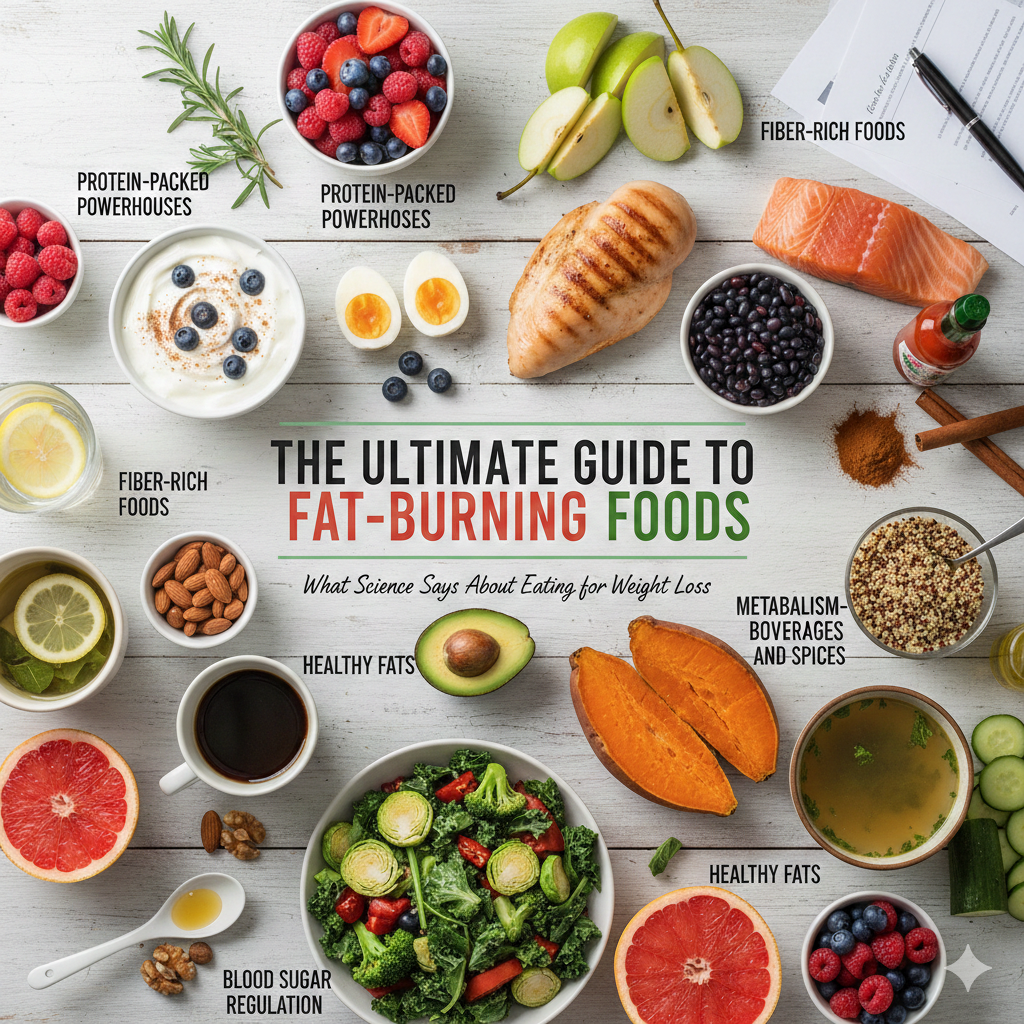
If you’ve ever wondered whether certain foods can help you lose weight faster, you’re not alone. The internet is flooded with claims about “fat-burning superfoods” that promise miraculous results. While no single food will melt away fat on its own, science shows that choosing the right foods can significantly support your weight loss journey by keeping you fuller longer, boosting your metabolism slightly, and helping you naturally consume fewer calories.
In this comprehensive guide, we’ll explore the fat-burning foods backed by research, explain how they work, and show you how to incorporate them into your daily diet for sustainable weight loss. Understanding which foods support fat loss—and why—can transform your approach to eating and help you achieve your health goals without feeling deprived.
Understanding How Fat-Burning Foods Actually Work
Before diving into specific foods, let’s clarify an important truth: fat loss fundamentally happens when you consume fewer calories than your body burns. No food can magically burn fat while you eat in a caloric surplus. However, certain foods make creating that calorie deficit much easier by:
Increasing satiety – keeping you feeling full and satisfied, which reduces overall calorie intake throughout the day.
Requiring more energy to digest – some foods, particularly protein-rich options, burn more calories during the digestion process through what’s called the thermic effect of food.
Stabilizing blood sugar levels – preventing energy crashes and cravings that lead to overeating.
Supporting metabolic function – providing nutrients and compounds that help your body efficiently burn calories.
With this foundation in mind, let’s explore the best fat-burning foods and how to use them strategically.
Protein-Packed Powerhouses: Your Best Friends for Fat Loss
When it comes to fat-burning foods, protein deserves the spotlight. High-protein foods offer multiple weight loss benefits that make them indispensable for anyone trying to shed pounds.
Why Protein Matters for Weight Loss
Protein has the highest thermic effect of all macronutrients, meaning your body burns approximately 20-30% of the calories in protein just digesting it, compared to only 5-10% for carbohydrates and 0-3% for fats. Additionally, protein keeps you feeling satisfied for hours after eating, dramatically reducing the likelihood of snacking between meals.
Top Protein Sources for Fat Loss
Greek Yogurt stands out as an exceptional choice, containing nearly double the protein of regular yogurt. A single serving can provide 15-20 grams of protein while remaining relatively low in calories. Choose plain, low-fat varieties and add your own fresh fruit to avoid added sugars.
Eggs are nutrition powerhouses, providing all nine essential amino acids your body needs. Studies show that eating eggs for breakfast can reduce calorie intake throughout the rest of the day by increasing feelings of fullness.
Lean Meats like skinless chicken breast, turkey, and cuts such as flank steak or top sirloin offer substantial protein with minimal saturated fat. These options help preserve muscle mass during weight loss, which is crucial for maintaining a healthy metabolism.
Fish and Seafood deliver high-quality protein along with omega-3 fatty acids, which research suggests may help reduce inflammation and support fat metabolism. Salmon, tuna, cod, and shrimp are all excellent choices.
Plant-Based Proteins including beans, lentils, chickpeas, and tofu provide protein along with fiber, creating a double benefit for satiety. These options are particularly valuable for vegetarians and anyone looking to diversify their protein sources.
Fiber-Rich Foods That Keep Hunger at Bay
Fiber is your secret weapon in the battle against excess calories. High-fiber foods expand in your stomach, triggering fullness signals to your brain long before you’ve consumed too many calories.
The Fiber Advantage
Dietary fiber slows digestion, which helps maintain stable blood sugar levels and prevents the energy crashes that trigger cravings. Additionally, fiber-rich foods tend to be nutrient-dense while remaining relatively low in calories, making them perfect for weight loss.
Best High-Fiber Fat-Burning Foods
Whole Grains like quinoa, oats, brown rice, and bulgur wheat provide sustained energy without blood sugar spikes. Quinoa stands out by offering both 8 grams of protein and 5 grams of fiber per cooked cup—a rare combination in the plant world.
Fruits are nature’s candy that actually supports weight loss. Apples, pears, berries, and grapefruit combine water content with fiber to fill you up on relatively few calories. Watermelon, despite being sweet, contains over 90% water and helps you feel satisfied while consuming minimal calories.
Vegetables should form the foundation of any fat loss diet. Broccoli, Brussels sprouts, leafy greens like spinach and kale, and raw vegetables provide volume and nutrients with almost negligible calories. You can eat large portions without worrying about exceeding your calorie budget.
Sweet Potatoes offer a nutrient-dense alternative to regular potatoes, providing fiber, vitamins, and minerals. Top them with healthy options like Greek yogurt or a small amount of olive oil rather than butter and sour cream.
Metabolism-Boosting Beverages and Spices
While the effect is modest, certain drinks and spices can give your metabolism a small boost while making healthy eating more enjoyable.
Green Tea and Coffee
Green Tea contains catechins, particularly EGCG (epigallocatechin gallate), which research suggests may increase fat burning, especially during exercise. Drinking 3-5 cups daily appears to provide the most benefit.
Coffee provides caffeine, which can temporarily increase metabolic rate by 3-11%. The key is drinking it black or with minimal additions—adding sugar and cream negates the benefits.
Spicy Additions
Chili Peppers and Hot Sauce contain capsaicin, a compound that can slightly raise metabolism and reduce appetite. If you enjoy spicy food, these additions can support your weight loss efforts while making meals more satisfying.
Cinnamon may help stabilize blood sugar levels, potentially reducing cravings and the likelihood of fat storage after meals. Add it to oatmeal, yogurt, or coffee for flavor without calories.
Hydration and High-Water Foods
Adequate hydration is crucial for efficient metabolism and can significantly impact your weight loss success.
Water as a Fat-Burning Tool
Drinking water before meals has been shown to reduce calorie intake by helping you feel fuller. Additionally, staying properly hydrated ensures your body can efficiently metabolize stored fat. Aim for at least 8 glasses daily, and more if you’re physically active.
Water-Rich Foods
Fruits and Vegetables with high water content like watermelon, cucumber, celery, and strawberries allow you to eat larger portions while consuming fewer calories. This volume helps trigger satiety signals.
Broth-Based Soups eaten before your main meal can reduce total calorie intake by 20% according to research. The combination of water and vegetables fills your stomach, leaving less room for higher-calorie options.
Healthy Fats That Support Weight Loss
It might seem counterintuitive, but including healthy fats in your diet actually supports fat loss by increasing satiety and supporting hormonal balance.
Why You Need Fat to Lose Fat
Dietary fat slows digestion, keeping you satisfied longer after meals. It also supports the absorption of fat-soluble vitamins and helps maintain healthy hormone levels, which are crucial for metabolic function.
Best Fat Sources for Fat Loss
Nuts and Seeds provide protein, fiber, and heart-healthy fats. The key is portion control—a small handful (about 1 ounce) provides benefits without excessive calories.
Avocado offers monounsaturated fats that promote satiety. Half an avocado contains about 120 calories but keeps you full for hours.
Olive Oil and other unsaturated oils should be used in moderation. A tablespoon in salad dressing or for cooking provides flavor and satiety-boosting properties.
Blood Sugar Regulation and Fat Storage Prevention
Foods that help maintain stable blood sugar levels prevent the insulin spikes that can promote fat storage.
Citrus Fruits and Berries
Grapefruit and Citrus Fruits contain soluble fiber and vitamin C, with some research suggesting they may help regulate blood sugar and reduce fat storage when consumed before meals.
Berries including blueberries, strawberries, and raspberries are relatively low in sugar while providing antioxidants that may improve insulin sensitivity, helping your body process glucose more efficiently.
Vinegar’s Surprising Benefits
Adding vinegar to salad dressings may help regulate blood sugar levels after meals and improve fat breakdown. Apple cider vinegar has gained particular attention, though any vinegar appears to offer similar benefits.
Frequently Asked Questions About Fat-Burning Foods
Q: Can I lose weight just by eating fat-burning foods without exercising?
Yes, weight loss is primarily driven by calorie balance rather than exercise. However, combining healthy eating with physical activity provides better results, helps maintain muscle mass, and offers numerous health benefits beyond weight loss.
Q: How quickly can I expect to see results from eating these foods?
Sustainable weight loss typically occurs at 1-2 pounds per week. You may notice increased energy and reduced hunger within days, but visible changes usually appear within 2-4 weeks of consistent healthy eating.
Q: Do I need to give up all my favorite foods to lose weight?
No. Sustainable weight loss comes from making fat-burning foods the foundation of your diet while still allowing occasional treats in moderation. Restrictive diets typically fail because they’re impossible to maintain long-term.
Q: Are there any foods that actually prevent fat loss?
Ultra-processed foods, sugary beverages, and foods high in refined carbohydrates and unhealthy fats can make weight loss difficult by failing to satisfy hunger, causing blood sugar spikes, and packing excessive calories into small portions.
Q: Should I eat fat-burning foods at specific times of day?
While meal timing has modest effects, the most important factor is total daily calorie intake and food quality. That said, eating protein-rich breakfasts and avoiding large meals before bed may offer slight advantages.
Q: Can supplements replace fat-burning foods?
Supplements cannot replace whole foods. While some supplements may offer minor benefits, whole foods provide fiber, nutrients, and satiety that pills and powders cannot match. Focus on real food first.
Q: How much of these foods should I eat daily?
Rather than specific amounts, aim to fill half your plate with vegetables, one-quarter with lean protein, and one-quarter with whole grains or starchy vegetables. Include healthy fats in moderation and fruits as snacks or desserts.
Creating Your Fat-Burning Meal Plan
Successfully incorporating these foods requires practical meal planning. Start by building each meal around a lean protein source, adding plenty of non-starchy vegetables, including a moderate portion of whole grains or starchy vegetables, and finishing with a small amount of healthy fat.
For breakfast, try Greek yogurt topped with berries and a sprinkle of cinnamon, or eggs with vegetables and whole-grain toast. Lunch might feature grilled chicken over a large salad with olive oil and vinegar dressing, while dinner could include baked fish with roasted Brussels sprouts and quinoa.
Keep healthy snacks available to prevent poor choices when hunger strikes. Apple slices with a small handful of almonds, raw vegetables with hummus, or a piece of fruit with a cheese stick all provide satisfying nutrition without derailing your progress.
Conclusion: Building a Sustainable Fat-Burning Lifestyle
The truth about fat-burning foods is both simpler and more complex than diet gurus would have you believe. No single food will magically melt away fat, but strategically choosing foods that keep you full, support your metabolism, and provide maximum nutrition for fewer calories makes weight loss dramatically easier and more sustainable.
Focus on building your diet around protein-rich options, fiber-packed fruits and vegetables, whole grains, and modest amounts of healthy fats. Stay hydrated, incorporate metabolism-boosting beverages and spices you enjoy, and remember that consistency matters more than perfection. These fat-burning foods work not through magic, but through practical mechanisms that help you naturally consume fewer calories while feeling satisfied and energized.
The most effective diet is one you can maintain long-term. By understanding how different foods support fat loss and choosing options you genuinely enjoy, you’ll create sustainable eating patterns that deliver results without constant struggle or deprivation. Start incorporating these evidence-based fat-burning foods today, and you’ll be well on your way to achieving your weight loss goals while building habits that support lifelong health.