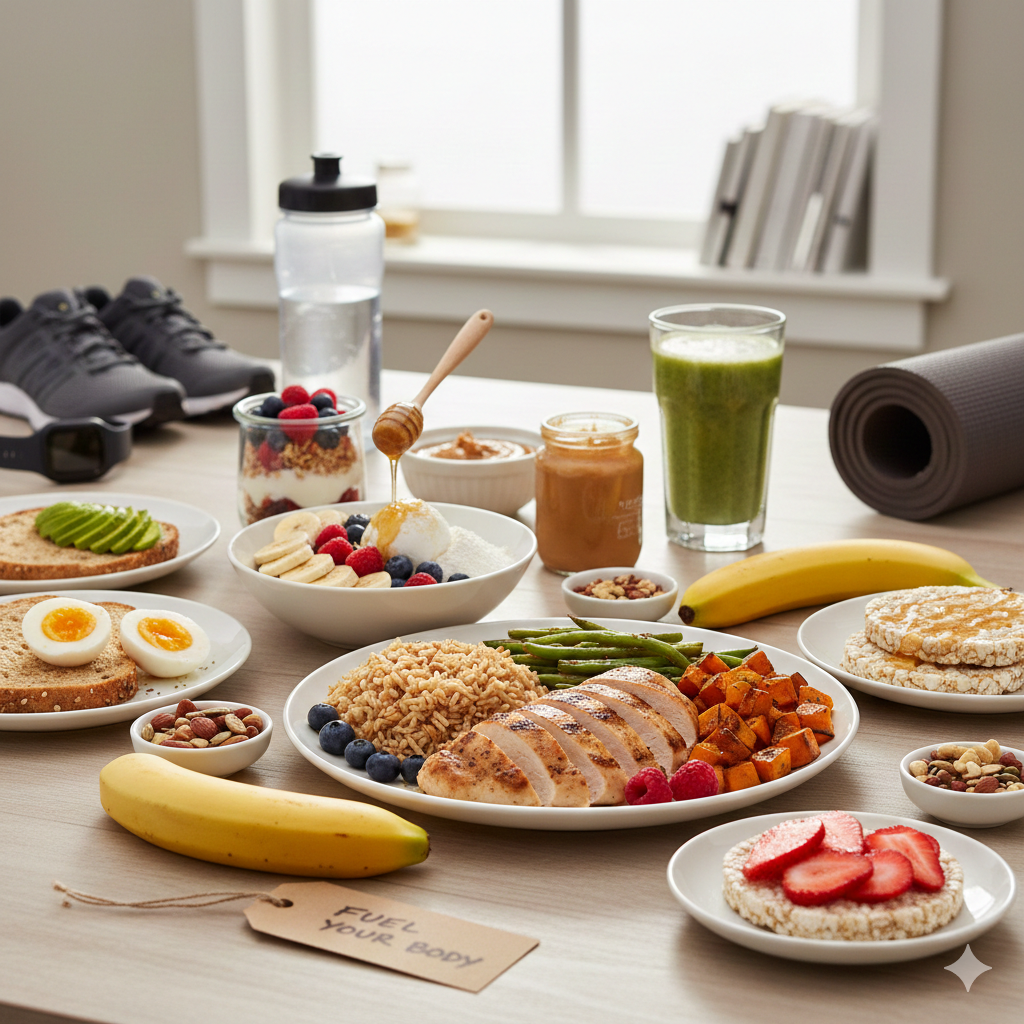
Starting your workout on the right fuel can make the difference between crushing your fitness goals and barely making it through your first set. Whether you’re heading to the gym, going for a morning run, or preparing for an intense HIIT session, what you eat before a workout for energy directly impacts your performance, endurance, and results.
Many fitness enthusiasts struggle with pre-workout nutrition, either eating too much and feeling sluggish, eating too little and running out of steam, or choosing the wrong foods that leave them bloated and uncomfortable. This comprehensive guide will help you understand exactly what your body needs before exercise, when to eat it, and how to customize your pre-workout meals based on your specific fitness goals.
Why Pre-Workout Nutrition Matters
Your body is like a car—it needs the right fuel to perform optimally. When you exercise, your muscles rely on glycogen (stored carbohydrates) and fat for energy. Without adequate fuel, you’ll experience:
- Decreased strength and power output
- Faster muscle fatigue
- Reduced endurance capacity
- Poor concentration and focus
- Increased risk of muscle breakdown
- Slower recovery times
Eating the right foods before a workout ensures your glycogen stores are topped up, your blood sugar remains stable, and your muscles have the nutrients they need to perform and recover effectively.
The Best Macronutrients for Pre-Workout Energy
Carbohydrates: Your Primary Fuel Source
Carbohydrates are your body’s preferred energy source during exercise. They break down into glucose, which fuels your muscles and brain during physical activity.
Best carbs for pre workout include:
- Oats and whole grain cereals
- Brown rice and quinoa
- Sweet potatoes and regular potatoes
- Bananas and other fruits
- Whole grain bread and rice cakes
- Pasta (for longer, intense sessions)
The timing of your meal determines whether you should choose simple or complex carbohydrates. Complex carbs work better for meals eaten 2-3 hours before exercise, while simple carbs are ideal for snacks consumed 30-60 minutes before working out.
Protein: Supporting Muscle Function
While protein isn’t a primary energy source, consuming it before exercise offers several benefits:
- Reduces muscle protein breakdown during exercise
- Increases muscle protein synthesis
- Improves recovery
- Helps maintain muscle mass during weight loss
Quality protein sources include:
- Greek yogurt
- Eggs and egg whites
- Chicken breast or turkey
- Protein powder (whey or plant-based)
- Cottage cheese
- Lean fish like tuna or salmon
Aim for 15-25 grams of protein in your pre-workout meal, depending on your body weight and the intensity of your training session.
Healthy Fats: Use Strategically
Fats digest slowly and can cause stomach discomfort if consumed too close to your workout. However, small amounts of healthy fats can provide sustained energy for longer, moderate-intensity exercise sessions.
Include minimal amounts of:
- Nut butter (almond, peanut)
- Avocado
- Nuts and seeds
- Olive oil
Reserve higher-fat meals for at least 3-4 hours before training or save them for post-workout nutrition.
Best Foods to Eat Before a Workout for Energy
For Workouts 2-3 Hours Away
When you have more time before exercising, you can eat a more substantial meal that includes complex carbohydrates, lean protein, and a small amount of healthy fats.
Balanced meal ideas:
- Grilled chicken with brown rice and roasted vegetables – Provides sustained energy and complete nutrition
- Oatmeal topped with banana, berries, and a scoop of protein powder – Perfect balance of carbs and protein
- Whole grain toast with scrambled eggs and avocado – Combines quality protein with energizing carbs
- Greek yogurt parfait with granola and mixed fruits – Easy to digest with excellent nutrient balance
- Turkey and cheese sandwich on whole grain bread with an apple – Convenient and nutritious option
Quick Pre-Workout Snacks for Morning Workouts
Early morning exercisers often struggle with eating before working out. Your stomach may not tolerate a full meal, but training completely fasted can leave you feeling weak and dizzy.
Easy pre workout snacks for beginners:
- Banana with a tablespoon of almond butter – Natural sugars plus sustained energy
- Rice cake with honey and a sprinkle of cinnamon – Fast-digesting carbs that won’t upset your stomach
- Apple slices with a small handful of almonds – Fiber, natural sugars, and protein
- Energy bar (look for 20-30g carbs, 5-10g protein) – Portable and convenient
- Smoothie with banana, berries, and protein powder – Liquid form digests quickly
- Dried fruit like dates or apricots – Concentrated carbohydrate source
- Toast with jam or honey – Simple and effective
Pre-Workout Meal Ideas for Weight Loss
If your primary goal is losing weight, you’ll want to create a slight caloric deficit while still providing enough energy for effective workouts. The key is choosing nutrient-dense, lower-calorie options that sustain energy without excess calories.
Low-calorie pre workout options:
- Green smoothie with spinach, banana, and vanilla protein powder (around 200 calories)
- Two rice cakes with sliced strawberries (approximately 120 calories)
- Small apple with 1 tablespoon peanut butter (roughly 150 calories)
- Low-fat Greek yogurt with berries (about 140 calories)
- Hard-boiled egg with half a banana (around 130 calories)
Remember, eating before workout to burn fat doesn’t mean eating nothing. Your body needs fuel to exercise intensely enough to create the calorie deficit that leads to fat loss.
What to Eat Before Gym for Muscle Gain
Building muscle requires adequate protein and carbohydrates to support training intensity and muscle protein synthesis. Your pre-workout nutrition plan should provide enough energy to lift heavy weights while beginning the muscle-building process.
Pre workout meal ideas for muscle building:
- Chicken breast (4 oz) with sweet potato and green beans
- Protein shake with banana, oats, and peanut butter
- Eggs (whole and whites) with whole grain toast and avocado
- Tuna sandwich on whole wheat with an orange
- Cottage cheese with pineapple and granola
Aim for a 2:1 or 3:1 ratio of carbs to protein. For example, if you consume 30 grams of protein, pair it with 60-90 grams of carbohydrates depending on workout intensity.
Pre-Workout Nutrition for Different Exercise Types
Cardio and Endurance Training
What to eat before cardio workout should emphasize easily digestible carbohydrates that provide quick and sustained energy without causing stomach upset.
Best options:
- Banana with a small amount of nut butter
- Toast with honey
- Energy gel or sports chews (for runs over 60 minutes)
- Oatmeal with berries
- Sports drink for very early morning sessions
HIIT and High-Intensity Training
Pre HIIT meal ideas should include moderate amounts of carbohydrates and protein, eaten far enough in advance to prevent digestive issues during burpees and sprints.
Recommended choices:
- Rice cakes with turkey slices
- Protein smoothie made 90 minutes before
- Greek yogurt with granola (2 hours before)
- Small serving of chicken and rice (2-3 hours before)
Strength Training and Weightlifting
Meals before weightlifting for strength should provide adequate carbohydrates to fuel intense sets and protein to minimize muscle breakdown.
Effective combinations:
- Oats with protein powder and banana
- Egg whites with whole grain toast
- Protein bar with complex carbs
- Chicken and rice meal (eaten 2-3 hours prior)
Yoga and Flexibility Training
For lower-intensity activities, you need less fuel but still want to avoid feeling sluggish or hungry.
Light snack before yoga:
- Small banana
- Handful of berries
- Rice cake with almond butter
- Herbal tea with a piece of fruit
Pre-Workout Meal Timing for Energy
When to eat before workout for best results depends on meal size and composition:
3-4 hours before: Full balanced meal with protein, complex carbs, and healthy fats
2-3 hours before: Smaller meal with lean protein and complex carbohydrates
1-2 hours before: Easily digestible carbs with small amount of protein
30-60 minutes before: Quick-digesting simple carbs only
Everyone’s digestive system is different. Experiment with timing to find what works best for your body and doesn’t cause discomfort during exercise.
Hydration: The Often Overlooked Component
Even mild dehydration can significantly impair exercise performance. Your pre-workout nutrition plan should always include adequate hydration.
Hydration tips before workout:
- Drink 16-20 ounces of water 2-3 hours before exercise
- Consume 8-10 ounces 20-30 minutes before starting
- For intense or long sessions, consider electrolyte drinks
- Monitor urine color—pale yellow indicates good hydration
- Avoid excessive caffeine which can have diuretic effects
Pre-Workout Supplements: Are They Necessary?
While whole foods should form the foundation of your pre workout nutrition plan, certain supplements can enhance performance.
Common pre workout supplements for beginners:
Caffeine: Improves focus, endurance, and power output. Consume 150-300mg about 30-60 minutes before exercise. Coffee works great as a natural source.
Creatine: Enhances strength and power. Take 3-5 grams daily; timing is less critical than consistency.
Beta-Alanine: Reduces fatigue during high-intensity exercise. Take 2-5 grams daily.
BCAAs: May reduce muscle breakdown during training. Most beneficial when training fasted.
Always start with food first, then consider supplements if you have specific performance goals and understand how to use them properly.
Special Considerations
Pre-Workout Meals for Diabetics
Managing glucose during exercise requires careful planning if you have diabetes.
Safe pre workout snacks for blood sugar management:
- Pair carbohydrates with protein (apple with cheese)
- Choose low glycemic index carbs (oatmeal, sweet potato)
- Monitor blood glucose before and after exercise
- Work with your healthcare provider to adjust insulin timing
- Keep fast-acting glucose available during workouts
Exercising on Empty Stomach
Some people prefer fasted cardio, believing it burns more fat. While it may increase fat oxidation during exercise, research shows no significant advantage for overall fat loss.
Considerations for fasted training:
- Best for low-to-moderate intensity exercise
- Keep sessions under 60 minutes
- Stay well-hydrated
- May impair high-intensity performance
- Not ideal for muscle building goals
- Listen to your body—if you feel weak or dizzy, eat something
Common Pre-Workout Nutrition Mistakes to Avoid
- Eating too close to workout time: Leads to stomach discomfort, cramping, and sluggishness
- Consuming too much fat or fiber: Slows digestion and can cause GI distress during exercise
- Not eating enough: Results in low energy, poor performance, and potential muscle loss
- Trying new foods before important workouts: Stick with familiar foods to avoid digestive surprises
- Ignoring individual tolerance: Everyone digests differently; find what works for your body
- Overcomplicating things: Simple combinations often work best
Sample Pre-Workout Nutrition Plan for Different Goals
For Weight Loss (Morning Workout at 7 AM)
- 6:15 AM: Small banana with 1 tbsp almond butter and glass of water
- Workout: 7:00-8:00 AM
- Total calories: ~180
For Muscle Gain (Evening Workout at 6 PM)
- 3:30 PM: Chicken breast (4 oz), sweet potato (1 medium), broccoli, with water
- 5:30 PM: Apple with protein shake
- Workout: 6:00-7:00 PM
- Total calories: ~600
For Endurance (Long Run at 8 AM)
- 6:00 AM: Oatmeal with banana, honey, and berries, plus water
- 7:45 AM: Energy gel and water
- Workout: 8:00 AM-10:00 AM
- Total calories: ~450
Frequently Asked Questions
Q: Should I eat before a workout if I want to lose weight?
A: Yes, eating a small, balanced snack before exercise helps maintain energy levels, allowing you to work out harder and burn more calories. Exercising on empty stomach doesn’t necessarily burn more fat overall, and may impair performance. Focus on creating a daily caloric deficit rather than skipping pre-workout fuel.
Q: What’s the best thing to eat 30 minutes before a workout?
A: Choose easily digestible, simple carbohydrates like a banana, a few dates, rice cakes with honey, or an energy bar. Avoid protein and fat this close to exercise as they digest slowly and may cause stomach discomfort.
Q: Can I just have coffee before my workout?
A: Coffee can enhance performance through its caffeine content, improving focus and endurance. However, it shouldn’t replace food entirely, especially for intense workouts. Pair your coffee with a small carbohydrate source for best results. Avoid excess caffeine which can cause jitters and dehydration.
Q: Is it better to work out in the morning on an empty stomach?
A: This depends on your goals and how your body responds. Fasted cardio may increase fat burning during exercise but doesn’t necessarily lead to greater fat loss overall. For high-intensity training or muscle building, eating before working out typically improves performance. Try both approaches and see what helps you feel and perform best.
Q: How many carbs should I eat before a workout?
A: This depends on workout intensity and duration. For moderate 60-minute sessions, aim for 30-60 grams of carbs. For intense or longer workouts, increase to 60-90 grams. Endurance athletes training for over 90 minutes may need 90+ grams. Adjust based on your body weight, goals, and how you feel during exercise.
Q: What should I avoid eating before a workout?
A: Avoid high-fat foods (fried foods, heavy cream sauces), high-fiber foods (beans, cruciferous vegetables), spicy foods, and large portions close to exercise time. These can cause bloating, cramping, and digestive discomfort. Also skip alcohol, which impairs performance and dehydrates you.
Q: Do I need protein before my workout or just after?
A: Both pre and post-workout protein can benefit muscle building and recovery. Consuming 15-25 grams of protein before exercise helps reduce muscle breakdown during training and jumpstarts the recovery process. However, if you’ve eaten protein in the hours before training, additional pre-workout protein becomes less critical.
Conclusion
Understanding what to eat before a workout for energy transforms your fitness results. The perfect pre-workout meal balances carbohydrates for fuel, protein for muscle support, and proper timing for optimal digestion. Whether your goal is weight loss, muscle gain, or improved endurance, customizing your pre-workout nutrition based on exercise type and personal tolerance makes all the difference.
Start by experimenting with the meal ideas and timing suggestions provided in this guide. Pay attention to how different foods make you feel during exercise, and adjust accordingly. Remember that consistency matters more than perfection—finding a sustainable routine you can maintain long-term yields the best results.
Combine your optimized pre-workout nutrition with proper post-workout recovery meals to maximize your fitness gains. Stay hydrated, listen to your body, and don’t overcomplicate things. With the right fuel at the right time, you’ll have the energy to push harder, recover faster, and achieve your fitness goals more effectively than ever before.