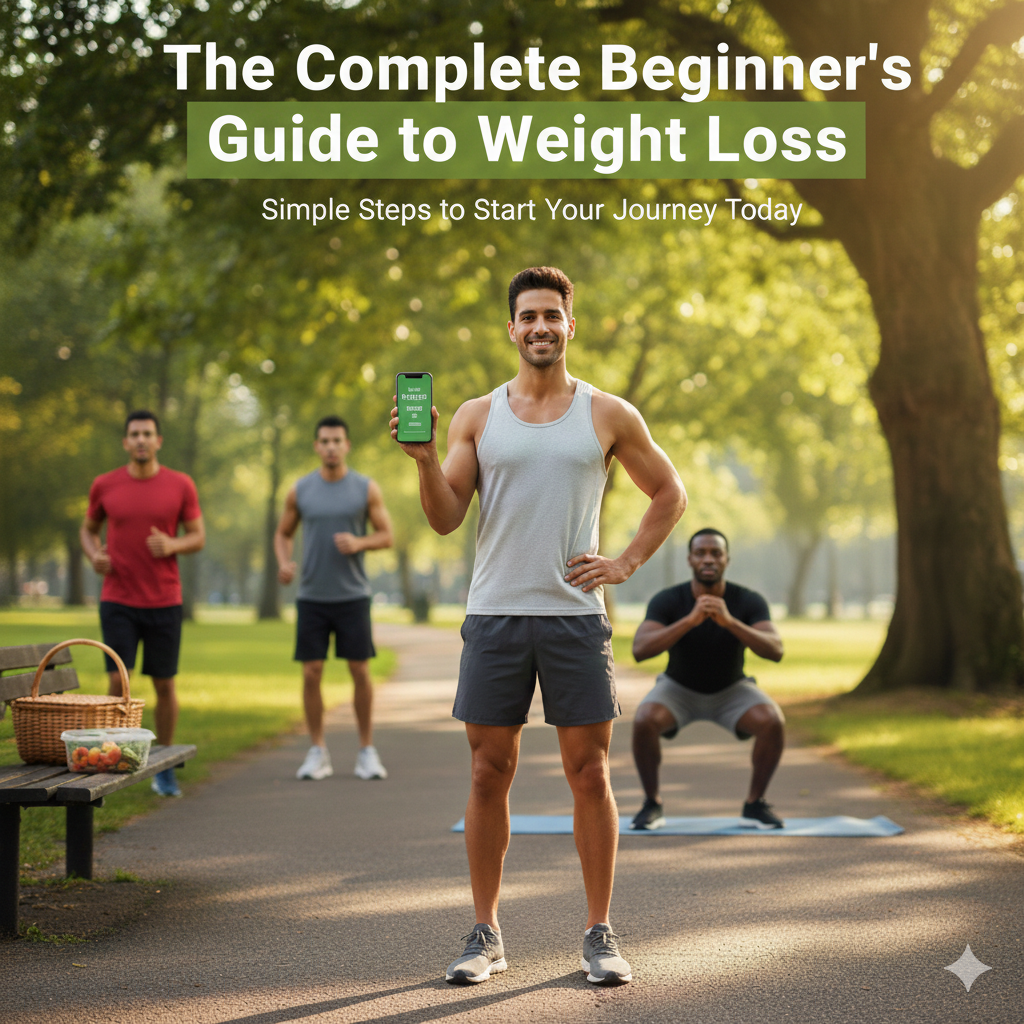
Starting a weight loss journey can feel overwhelming, especially with so much conflicting information online. If you’re searching for a weight loss plan for beginners at home, you’ve come to the right place. This comprehensive guide will walk you through realistic, sustainable strategies that don’t require expensive gym memberships or extreme dieting. Whether you want to lose 5 to 10 pounds safely or develop long-term weight loss habits, we’ll cover everything you need to know to begin your transformation with confidence.
Understanding Weight Loss Basics: What Every Beginner Should Know
Before diving into specific plans, it’s essential to understand how weight loss actually works. At its core, losing weight requires creating a calorie deficit—burning more calories than you consume. However, this doesn’t mean starving yourself or spending hours at the gym.
The Science of Healthy Weight Loss
According to health experts, safe weight loss typically ranges from 1 to 2 pounds per week. This gradual approach is far more sustainable than crash diets and helps preserve muscle mass while losing fat. When you aim for realistic weight loss in 4 weeks, you’re setting yourself up for success rather than disappointment.
Your body needs time to adjust to new habits. Rapid weight loss often leads to muscle loss, nutritional deficiencies, and the dreaded rebound effect where you gain back everything you lost—and sometimes more.
Setting Realistic Expectations
Many beginners start their journey with unrealistic goals, which can lead to frustration and giving up. A healthy weight loss per week is approximately 1 to 2 pounds. This means in one month, you could realistically lose 4 to 8 pounds following a consistent plan.
Understanding these realistic weight loss expectations from the start will help you stay motivated and avoid the emotional rollercoaster of fad diets.
Creating Your Beginner Weight Loss Workout Plan
Exercise is a crucial component of any weight loss journey, but you don’t need fancy equipment or a gym membership to get started.
Simple Weight Loss Routine for Beginners
Start with these easy-to-follow activities:
Walking Plan for Weight Loss
- Begin with 20-30 minutes of brisk walking daily
- Gradually increase to 45-60 minutes as your fitness improves
- Walking is low-impact, free, and can be done anywhere
- Aim for 7,000-10,000 steps per day
No Equipment Weight Loss Workout
Here’s a basic routine you can do at home:
- Bodyweight squats – 3 sets of 10-15 reps
- Push-ups (modified on knees if needed) – 3 sets of 5-10 reps
- Lunges – 3 sets of 10 reps per leg
- Plank hold – 3 sets of 20-30 seconds
- Jumping jacks – 3 sets of 20 reps
Perform this circuit 3-4 times per week with rest days in between.
Progressive Home Workout Plan for Fat Loss
As you build strength and endurance, gradually increase the intensity:
- Weeks 1-2: Focus on form and consistency with the basic routine
- Weeks 3-4: Increase repetitions by 5 and reduce rest time between sets
- Weeks 5-8: Add variations like jump squats or mountain climbers
- Beyond 8 weeks: Introduce simple equipment like resistance bands or dumbbells
The key is progression without overtraining. Listen to your body and rest when needed.
Balanced Diet for Weight Loss Beginners
Exercise alone won’t produce significant results without addressing your nutrition. The good news is that eating for weight loss doesn’t mean deprivation.
Healthy Eating and Exercise Routine Combined
The most effective approach combines both diet and exercise for sustainable results. Here’s how to structure your nutrition:
Basic Nutrition Principles
- Eat protein with every meal: Chicken, fish, eggs, beans, or Greek yogurt help preserve muscle and keep you full
- Fill half your plate with vegetables: They’re low in calories but high in nutrients and fiber
- Choose whole grains over refined: Brown rice, quinoa, and whole wheat bread provide sustained energy
- Include healthy fats: Avocados, nuts, olive oil, and fatty fish support overall health
- Control portion sizes: Use smaller plates and listen to hunger cues
Sample Daily Meal Plan
Breakfast: Scrambled eggs with spinach and whole grain toast Snack: Apple with almond butter Lunch: Grilled chicken salad with mixed vegetables and olive oil dressing Snack: Greek yogurt with berries Dinner: Baked salmon with roasted vegetables and quinoa
Weight Loss Without Extreme Dieting
The best diet is one you can maintain long-term. Avoid these common mistakes:
- Cutting out entire food groups unnecessarily
- Skipping meals to reduce calories
- Following overly restrictive meal plans
- Relying on supplements instead of whole foods
Instead, focus on sustainable weight loss lifestyle changes that you can maintain for years, not just weeks.
Building Long-Term Weight Loss Habits
Quick fixes rarely lead to lasting results. Developing healthy habits is the foundation of successful weight management.
Mindset for Weight Loss Success
Your mental approach matters just as much as your physical efforts:
Positive Mindset Strategies
- Celebrate non-scale victories (better sleep, more energy, clothes fitting better)
- Practice self-compassion when you have setbacks
- Focus on what you’re gaining (health, strength) rather than what you’re losing
- Set process goals (exercising 4 times this week) alongside outcome goals (losing 10 pounds)
How to Stay Motivated to Lose Weight
Motivation naturally fluctuates, but these strategies help maintain consistency:
- Track your progress: Take photos, measurements, and note how you feel
- Find an accountability partner: Share your goals with a friend or join a support group
- Create a routine: Exercise and eat at consistent times
- Plan for obstacles: Decide in advance how you’ll handle social events or busy days
- Reward yourself: Celebrate milestones with non-food rewards like new workout clothes
Weight Loss Progress Tracking Tips
Effective tracking helps you identify what’s working and what needs adjustment:
- Weigh yourself weekly at the same time of day, rather than daily
- Take measurements of waist, hips, arms, and thighs monthly
- Keep a food journal to identify eating patterns
- Log workouts to see strength and endurance improvements
- Monitor energy levels and sleep quality
Overcoming Common Challenges
How to Avoid Weight Loss Plateaus
Plateaus are normal and happen to everyone. When progress stalls:
- Reassess your calorie intake (needs decrease as you lose weight)
- Change your workout routine to challenge your body differently
- Ensure you’re getting adequate sleep and managing stress
- Check for hidden calories in drinks, condiments, or “healthy” snacks
- Be patient—sometimes your body needs time to catch up with changes
Weight Loss Plan for Busy People
Limited time is one of the most common obstacles. Here’s how to work around it:
Time-Saving Strategies
- Meal prep on weekends for the entire week
- Choose 20-minute high-intensity workouts over longer moderate sessions
- Keep healthy snacks readily available
- Use a slow cooker for easy healthy meals
- Combine socializing with exercise (walking meetings or active dates)
Doctor Recommended Weight Loss Tips
Following medically safe weight loss practices protects your health while achieving results.
Science-Based Weight Loss Methods
Research consistently supports these proven weight loss strategies:
- Increase protein intake: Helps preserve muscle mass and increases satiety
- Get adequate sleep: Poor sleep disrupts hunger hormones
- Manage stress: High cortisol levels promote fat storage
- Stay hydrated: Often mistaken for hunger, proper hydration supports metabolism
- Eat mindfully: Pay attention while eating to recognize fullness cues
When to Consult a Healthcare Professional
Seek medical guidance if you:
- Have underlying health conditions like diabetes or heart disease
- Take medications that affect weight
- Haven’t lost weight after 3 months of consistent effort
- Experience extreme fatigue or other concerning symptoms
- Want to lose more than 10% of your body weight
Creating Your Complete 4-Week Plan
Let’s put everything together into a practical beginner-friendly fat loss workout and nutrition plan.
Week-by-Week Breakdown
Week 1: Foundation
- Start daily 20-minute walks
- Begin the basic bodyweight routine (3 times weekly)
- Track current eating habits without major changes
- Drink at least 8 glasses of water daily
Week 2: Implementation
- Increase walks to 30 minutes
- Continue strength training, focus on proper form
- Make one healthy swap per meal (white bread to whole grain, soda to water)
- Prepare 2-3 meals at home this week
Week 3: Progression
- Add 5 more minutes to walks
- Increase workout repetitions slightly
- Plan and prep most meals for the week
- Identify and reduce one unhealthy eating pattern
Week 4: Consistency
- Maintain 35-40 minute daily walks
- Complete all planned workouts
- Stick to your meal plan 6 days, allow one flexible meal
- Reflect on progress and adjust for next month
Frequently Asked Questions
How much weight can I realistically lose in a month as a beginner?
A safe and realistic goal is 4 to 8 pounds per month (1-2 pounds per week). This gradual approach is more sustainable and healthier than rapid weight loss, which often leads to muscle loss and weight regain.
Can I lose weight without going to the gym?
Absolutely! Many people successfully lose weight with home workouts and outdoor activities like walking. The key is consistency and combining physical activity with proper nutrition. Bodyweight exercises, walking, and simple equipment like resistance bands can be highly effective.
What’s the best diet for weight loss beginners?
The best diet is one you can stick to long-term. Focus on whole foods, balanced meals with protein and vegetables, appropriate portions, and avoiding extreme restrictions. A combination of healthy eating and regular exercise produces the best results.
How do I stay motivated when I hit a plateau?
Remember that plateaus are normal and temporary. Focus on non-scale victories, adjust your calorie intake or workout routine, ensure adequate sleep and stress management, and be patient with your body. Progress isn’t always linear.
Is it necessary to count calories for weight loss?
While creating a calorie deficit is essential for weight loss, you don’t necessarily need to count every calorie. Many people succeed by focusing on portion control, eating mostly whole foods, and listening to hunger cues. However, tracking can be helpful initially to understand portion sizes.
How important is sleep for weight loss?
Sleep is crucial and often overlooked. Poor sleep disrupts hormones that control hunger (ghrelin and leptin), increases cravings for unhealthy foods, and reduces energy for exercise. Aim for 7-9 hours of quality sleep nightly.
What should I do if I’m not seeing results after a month?
First, ensure you’re truly consistent—occasional healthy days won’t override regularly unhealthy ones. Review your food intake for hidden calories, increase workout intensity if needed, check your sleep and stress levels, and consider consulting a healthcare provider to rule out underlying issues.
Conclusion: Your Journey Starts Today
Creating a successful weight loss plan for beginners at home doesn’t require complicated strategies or expensive products. By combining a simple weight loss routine for beginners with balanced nutrition and the right mindset for weight loss success, you can achieve sustainable results.
Remember that this is a marathon, not a sprint. The gradual weight loss plan outlined here prioritizes your health and sets you up for long-term success rather than quick fixes that don’t last. Start with small, manageable changes—take that first walk today, prepare one healthy meal, or simply drink an extra glass of water.
The most important step is the first one. Whether you want to lose 5 to 10 pounds safely or develop lasting healthy weight loss habits, the principles in this guide will support your journey. Be patient with yourself, celebrate small victories, and remember that every healthy choice moves you closer to your goals.
Your transformation begins with a single decision to prioritize your health. Start implementing these proven weight loss strategies today, and within weeks, you’ll notice positive changes in how you look, feel, and live. The best time to start was yesterday; the second best time is right now.