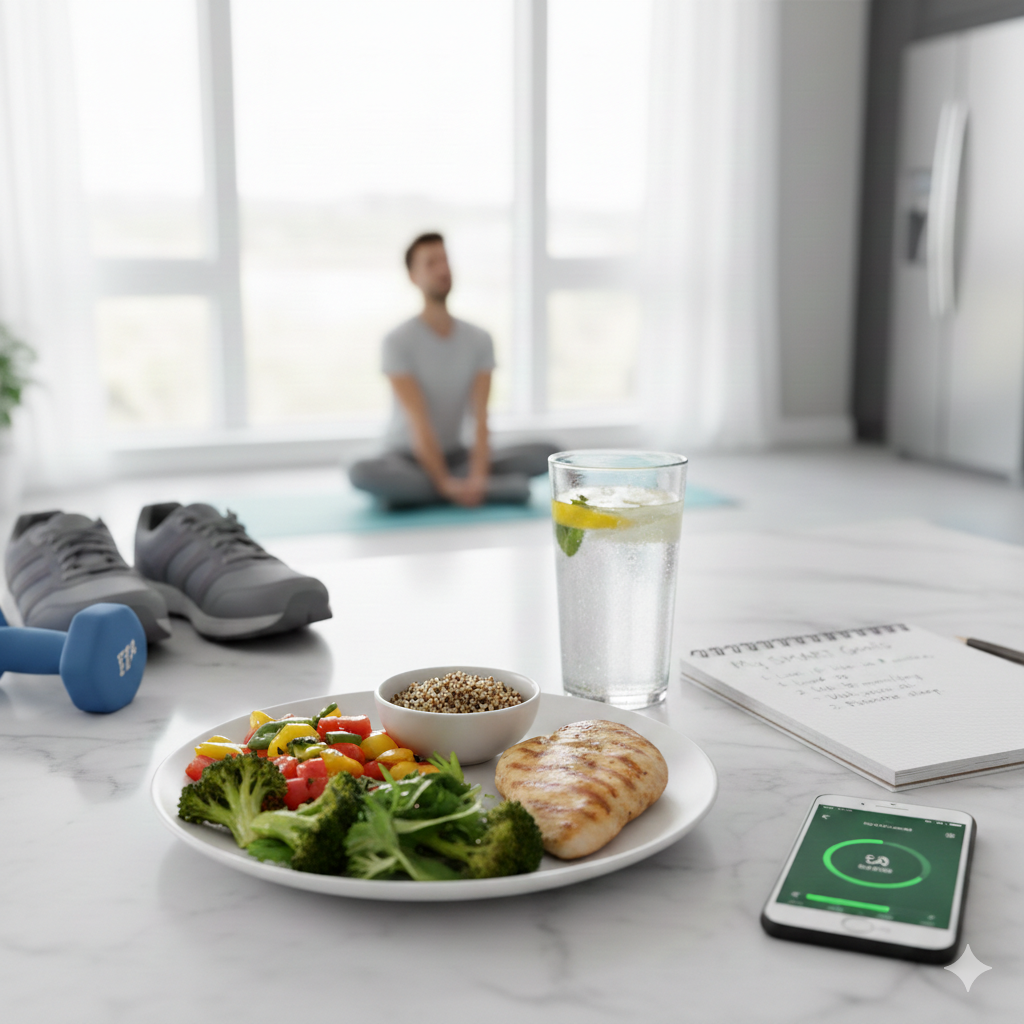
Starting a weight loss journey can feel overwhelming, especially if you’re not sure where to begin. You might have tried fad diets or intense workout programs that left you exhausted and discouraged. The good news? Weight loss for beginners step by step doesn’t have to be complicated or extreme. With the right approach, sustainable habits, and realistic expectations, you can achieve your health goals without sacrificing your well-being. This comprehensive guide will walk you through everything you need to know about healthy weight loss, from understanding the basics to creating a personalized plan that fits your lifestyle.
Understanding the Basics of Weight Loss
Before diving into specific strategies, it’s important to understand how weight loss actually works. At its core, weight loss occurs when you burn more calories than you consume, creating what’s called a caloric deficit. However, this doesn’t mean you need to starve yourself or spend hours at the gym every day.
Your body needs energy to function, and this energy comes from the food you eat. When you provide your body with more energy than it needs, the excess gets stored as fat. Conversely, when you consume fewer calories than your body requires, it taps into those fat stores for energy, resulting in weight loss.
The key is finding a balance that promotes steady, sustainable weight loss—typically one to two pounds per week. This approach is not only healthier but also more likely to lead to long-term success.
How to Start Your Weight Loss Journey for Beginners
Step 1: Set Realistic and Specific Goals
The first step in any successful weight loss journey is setting clear, achievable goals. Instead of saying “I want to lose weight,” be specific. For example, “I want to lose 15 pounds in three months” or “I want to fit into my favorite jeans by summer.”
Make sure your goals follow the SMART framework:
- Specific: Define exactly what you want to achieve
- Measurable: Track your progress with numbers
- Achievable: Set goals within your reach
- Relevant: Ensure your goals align with your lifestyle
- Time-bound: Set a realistic deadline
Remember, healthy weight loss takes time. Avoid setting overly ambitious goals that could lead to disappointment or unhealthy practices.
Step 2: Calculate Your Daily Calorie Needs
Understanding how many calories you should eat is crucial for beginners. Your calorie needs depend on factors like age, gender, weight, height, and activity level.
A simple way to estimate your daily calorie needs is to use your basal metabolic rate (BMR) and activity level. For safe weight loss, aim to reduce your daily intake by 500-750 calories, which should result in losing about one to two pounds per week.
Most beginner women need around 1,500-1,800 calories daily for weight loss, while men typically need 1,800-2,200 calories. However, never drop below 1,200 calories for women or 1,500 for men without medical supervision.
Step 3: Create a Balanced Meal Plan
A beginner guide to weight loss must include proper nutrition. Focus on creating a balanced diet that includes:
Lean Proteins: Chicken breast, fish, tofu, eggs, Greek yogurt, and legumes help build muscle and keep you feeling full longer.
Complex Carbohydrates: Whole grains, sweet potatoes, quinoa, and brown rice provide sustained energy without blood sugar spikes.
Healthy Fats: Avocados, nuts, seeds, olive oil, and fatty fish support hormone production and nutrient absorption.
Fiber-Rich Foods: Vegetables, fruits, whole grains, and beans promote digestive health and increase satiety.
A simple plate formula for beginners: Fill half your plate with vegetables, one quarter with lean protein, and one quarter with complex carbohydrates.
Simple Weight Loss Tips That Actually Work
Drink More Water Throughout the Day
Hydration plays a surprisingly important role in weight loss. Drinking water before meals can help reduce calorie intake by making you feel fuller. Aim for at least eight glasses of water daily, and more if you’re physically active.
Water also boosts metabolism, helps flush out toxins, and prevents you from confusing thirst with hunger. If plain water feels boring, try adding lemon, cucumber, or mint for natural flavor.
Prioritize Sleep and Recovery
Weight loss with good sleep habits is often overlooked but incredibly important. Poor sleep disrupts hormones that regulate hunger and fullness, specifically ghrelin and leptin. When you’re sleep-deprived, your body produces more ghrelin (the hunger hormone) and less leptin (the satiety hormone), leading to increased appetite and cravings.
Aim for seven to nine hours of quality sleep each night. Create a relaxing bedtime routine, avoid screens an hour before bed, and keep your bedroom cool and dark.
Manage Stress Effectively
Understanding how stress affects weight loss is crucial for success. When you’re stressed, your body releases cortisol, a hormone that can increase appetite and promote fat storage, especially around the midsection.
Incorporate stress-management techniques like:
- Deep breathing exercises
- Meditation or mindfulness practices
- Yoga or gentle stretching
- Spending time in nature
- Pursuing hobbies you enjoy
Practice Mindful Eating
One of the most effective healthy weight loss without dieting strategies is mindful eating. This means paying attention to what and how you eat:
- Eat slowly and chew thoroughly
- Remove distractions like TV or phones during meals
- Listen to your hunger and fullness cues
- Stop eating when you’re 80% full
- Savor each bite and appreciate your food
This approach helps prevent overeating and makes meals more satisfying.
Easy Exercises to Lose Weight at Home
You don’t need a gym membership to lose weight. A beginner workout plan for weight loss can be done entirely at home with minimal or no equipment.
Walking: The Ultimate Beginner Exercise
Walking for weight loss beginners is one of the most accessible and effective exercises. Start with 20-30 minutes daily and gradually increase to 45-60 minutes most days of the week. Walking burns calories, improves cardiovascular health, and reduces stress without putting excessive strain on your joints.
To maximize results:
- Increase your pace gradually
- Add hills or inclines when possible
- Swing your arms naturally
- Track your steps with a pedometer or smartphone app
Bodyweight Exercises
These exercises require no equipment and can be modified for any fitness level:
Squats: Strengthen legs and glutes while burning significant calories Push-ups: Build upper body strength (start with wall or knee push-ups) Planks: Engage core muscles and improve overall stability Lunges: Target multiple muscle groups simultaneously Burpees: High-intensity exercise that combines strength and cardio
Start with 2-3 sets of 10-15 repetitions for each exercise, three times per week.
Combining Cardio and Strength Training
A balanced weekly workout plan for beginners weight loss should include both cardio and strength training. Cardio burns calories during the workout, while strength training builds muscle that increases your resting metabolic rate.
Sample weekly plan:
- Monday: 30-minute walk + bodyweight exercises
- Tuesday: Rest or gentle yoga
- Wednesday: 20-minute cardio (dancing, jumping jacks, etc.)
- Thursday: Strength training routine
- Friday: 30-minute walk
- Saturday: Full-body workout combining cardio and strength
- Sunday: Rest day or light stretching
Foods to Include and Avoid
Best Foods for Weight Loss
Fiber-rich foods for weight loss should be staples in your diet:
- Leafy greens (spinach, kale, lettuce)
- Cruciferous vegetables (broccoli, cauliflower, Brussels sprouts)
- Berries (strawberries, blueberries, raspberries)
- Apples and pears
- Beans and lentils
- Whole grain oats
High protein diet for weight loss beginners includes:
- Chicken breast and turkey
- Fish and seafood
- Eggs
- Greek yogurt
- Cottage cheese
- Tofu and tempeh
Foods to Limit or Avoid
While no food is completely off-limits, limiting these can accelerate your progress:
- Sugary beverages and sodas
- Processed snacks and chips
- White bread and refined grains
- Fried foods
- Excessive alcohol
- High-sugar desserts and candy
Remember, it’s about balance, not deprivation. The 80/20 rule works well—eat nutritious foods 80% of the time and allow yourself occasional treats 20% of the time.
Sustainable Weight Loss Tips for Long-Term Success
Build Habits, Not Just Follow Diets
The difference between temporary weight loss and lasting results lies in habit formation. Instead of following restrictive diets, focus on developing easy weight loss habits for daily life:
- Prepare meals in advance
- Keep healthy snacks readily available
- Read nutrition labels
- Cook at home more often
- Practice portion control
- Stay consistent with meal timing
Track Your Progress Beyond the Scale
While weight is one measurement, it’s not the only indicator of progress. Track:
- Body measurements (waist, hips, arms, thighs)
- How your clothes fit
- Energy levels throughout the day
- Sleep quality
- Mood and mental clarity
- Physical strength and endurance
Taking progress photos every two weeks can also help you see changes that the scale doesn’t reflect.
Stay Accountable
Find support through:
- Joining online weight loss communities
- Partnering with a friend on the same journey
- Keeping a food and exercise journal
- Sharing your goals with family members
- Celebrating non-scale victories
Frequently Asked Questions About Weight Loss for Beginners
Q1: What is the easiest way to lose weight for beginners?
The easiest way to lose weight is to start with small, manageable changes. Focus on increasing your water intake, adding more vegetables to your meals, walking for 30 minutes daily, and reducing sugary drinks. These simple modifications create a caloric deficit without feeling restrictive. Remember, sustainable weight loss comes from consistent habits, not drastic measures.
Q2: How long does weight loss take naturally?
Healthy, natural weight loss typically occurs at a rate of 1-2 pounds per week. This means losing 10 pounds would take about 5-10 weeks. However, the timeline varies based on your starting weight, metabolism, activity level, and how consistently you follow your plan. Initial weight loss is often faster due to water weight, then settles into a steady pace.
Q3: How many calories should beginners eat to lose weight?
Calorie needs vary by individual, but most beginner women need around 1,500-1,800 calories daily for weight loss, while men typically need 1,800-2,200 calories. Never drop below 1,200 calories for women or 1,500 for men without medical supervision, as this can slow metabolism and deprive your body of essential nutrients. Calculate your specific needs based on your current weight, height, age, and activity level.
Q4: How much protein should I eat for weight loss?
Beginners should aim for 0.8-1 gram of protein per pound of body weight. For example, if you weigh 150 pounds, target 120-150 grams of protein daily. Protein helps preserve muscle mass during weight loss, keeps you feeling full longer, and has a higher thermic effect (meaning your body burns more calories digesting it). Spread protein intake throughout the day for best results.
Q5: Can I lose weight without going to the gym?
Absolutely! Many people successfully lose weight through home workouts, walking, and lifestyle changes alone. The key is creating a caloric deficit through diet and increasing your daily activity. Home bodyweight exercises, walking, dancing, gardening, and household chores all burn calories. Consistency matters more than where you exercise.
Q6: When should I see a doctor for weight loss help?
Consult a doctor before starting any weight loss program if you have pre-existing health conditions, take medications, have more than 50 pounds to lose, or have previously struggled with eating disorders. Additionally, seek medical advice if you experience unexplained weight gain, sudden weight loss without trying, or weight loss plateaus despite your efforts.
Q7: How do I avoid weight loss plateaus?
Plateaus are normal as your body adapts to changes. To overcome them, try: varying your exercise routine, recalculating your calorie needs based on your new weight, increasing protein intake, ensuring adequate sleep, managing stress levels, and being patient. Sometimes your body needs time to adjust before continuing weight loss. Focus on non-scale victories during these periods.
Conclusion: Your Journey to Sustainable Weight Loss Starts Now
Embarking on a weight loss journey for beginners doesn’t require extreme diets, expensive equipment, or radical lifestyle changes. Success comes from understanding the basics, setting realistic goals, and implementing sustainable habits that fit your life. Remember these key principles: create a moderate caloric deficit through balanced nutrition, incorporate regular physical activity you enjoy, prioritize sleep and stress management, stay hydrated, and be patient with yourself.
The most effective simple weight loss plan for beginners focuses on progress, not perfection. There will be challenging days, occasional setbacks, and moments of doubt—that’s completely normal. What matters is consistency over time and developing a healthier relationship with food and exercise.
Start today with one small change. Maybe it’s drinking an extra glass of water, taking a 15-minute walk, or adding vegetables to one meal. These seemingly minor adjustments compound over time, leading to significant results. Your body is capable of amazing transformations when given the right tools, patience, and care.
Take the first step on your weight loss journey today, and remember: this isn’t just about reaching a number on the scale—it’s about building a healthier, more energetic, and confident version of yourself that lasts a lifetime.