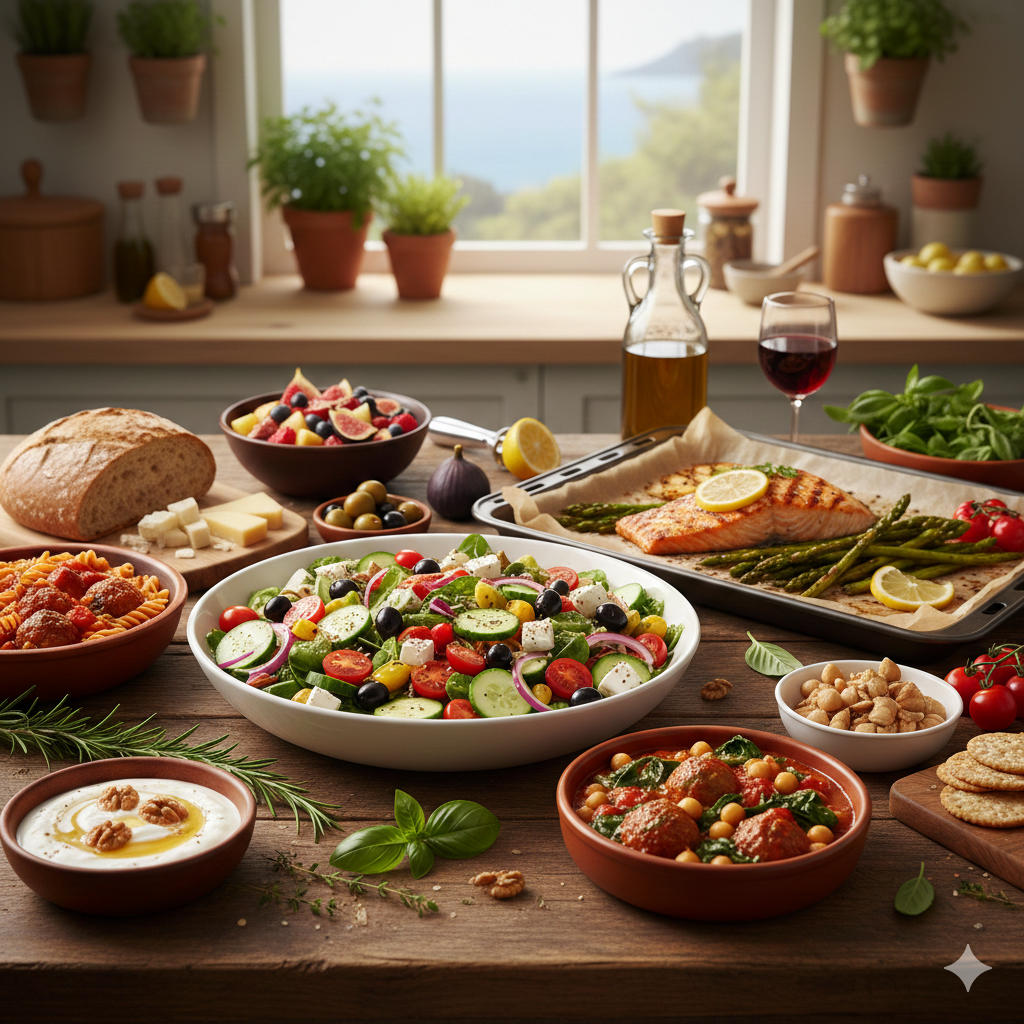
Are you tired of complicated diets that leave you hungry and unsatisfied? The Mediterranean diet meal plan for beginners offers a refreshing approach to healthy eating that doesn’t feel like a diet at all. Inspired by the traditional eating habits of countries bordering the Mediterranean Sea, this lifestyle has helped millions achieve better health, sustainable weight loss, and improved heart function. Unlike restrictive fad diets, this approach emphasizes delicious whole foods, healthy fats, and enjoyable meals that nourish both body and mind. Whether you’re looking to improve your cardiovascular health, shed a few pounds, or simply eat better, this beginner-friendly guide will walk you through everything you need to know about starting your Mediterranean journey today.
What Is the Mediterranean Diet?
The Mediterranean diet isn’t just another trending eating plan—it’s a time-tested lifestyle rooted in the culinary traditions of Greece, Italy, Spain, and other Mediterranean countries. This approach emphasizes plant-based foods, healthy fats from olive oil and nuts, moderate amounts of fish and poultry, and limited red meat consumption.
What makes this diet special is its flexibility and sustainability. You won’t find yourself counting every calorie or completely eliminating entire food groups. Instead, you’ll focus on nutrient-dense whole foods that keep you satisfied while supporting optimal health.
Core Principles of Mediterranean Eating
The foundation of this eating style rests on several key principles:
- Abundance of plant foods: Vegetables, fruits, whole grains, legumes, nuts, and seeds form the base of every meal
- Healthy fats as primary fat source: Extra virgin olive oil replaces butter and other saturated fats
- Moderate protein intake: Fish and seafood take priority over red meat
- Herbs and spices for flavor: Fresh seasonings replace excess salt
- Social dining: Meals are enjoyed with family and friends, not rushed alone
- Active lifestyle: Regular physical movement complements healthy eating habits
Why Beginners Love the Mediterranean Diet
Starting a new eating plan can feel overwhelming, but the Mediterranean approach stands out for its beginner-friendly nature. You don’t need special ingredients, complicated recipes, or expensive supplements.
Health Benefits That Keep You Motivated
Research consistently shows that following a Mediterranean diet meal plan delivers impressive health outcomes:
Heart Health Protection: Studies demonstrate that this eating pattern reduces heart disease risk by up to 30%. The combination of healthy fats, antioxidants, and anti-inflammatory compounds protects your cardiovascular system naturally.
Weight Management Made Easy: Unlike restrictive diets that slow your metabolism, the Mediterranean approach supports sustainable weight loss. The high fiber content and satisfying fats keep you full longer, reducing unhealthy snacking.
Brain Function Support: The omega-3 fatty acids from fish, along with antioxidants from colorful vegetables and fruits, protect cognitive function and may reduce dementia risk.
Blood Sugar Stability: The emphasis on whole grains, legumes, and vegetables helps maintain steady blood sugar levels, making this an excellent choice for diabetes prevention and management.
Reduced Inflammation: Chronic inflammation underlies many modern diseases. The Mediterranean diet’s anti-inflammatory foods help your body heal and function optimally.
Mediterranean Diet Foods List: Your Shopping Guide
Building your Mediterranean pantry doesn’t require exotic ingredients. Here’s what to stock:
Vegetables and Fruits
- Tomatoes, cucumbers, bell peppers, zucchini
- Leafy greens like spinach, kale, and arugula
- Eggplant, artichokes, and broccoli
- Berries, oranges, apples, and grapes
- Dates and figs for natural sweetness
Whole Grains and Legumes
- Whole wheat bread, pasta, and couscous
- Brown rice, quinoa, and farro
- Chickpeas, lentils, and white beans
- Black beans and kidney beans
- Oats for breakfast
Proteins
- Fatty fish: salmon, sardines, mackerel, tuna
- Chicken and turkey in moderation
- Eggs from pasture-raised chickens
- Greek yogurt and aged cheeses
- Red meat limited to once or twice monthly
Healthy Fats
- Extra virgin olive oil (your primary cooking fat)
- Raw nuts: almonds, walnuts, pistachios
- Seeds: chia, flax, sunflower, pumpkin
- Avocados for creamy texture
- Olives and olive-based tapenades
Flavor Enhancers
- Fresh herbs: basil, oregano, rosemary, thyme
- Garlic and onions
- Lemon juice for brightness
- Balsamic vinegar
- Red wine in moderation (optional)
Mediterranean Diet Weekly Menu for Beginners
Planning ahead removes the guesswork and sets you up for success. Here’s a simple seven-day meal plan to get you started:
Monday
Breakfast: Greek yogurt topped with berries, walnuts, and honey Lunch: Chickpea salad with tomatoes, cucumber, feta, and olive oil dressing Dinner: Grilled salmon with roasted vegetables and quinoa Snack: Hummus with carrot and bell pepper sticks
Tuesday
Breakfast: Oatmeal with sliced almonds, cinnamon, and fresh figs Lunch: Whole wheat pita stuffed with grilled vegetables and tzatziki Dinner: Chicken souvlaki with Greek salad and whole grain couscous Snack: A handful of mixed nuts
Wednesday
Breakfast: Vegetable omelet with whole grain toast and avocado Lunch: Lentil soup with a side of mixed greens Dinner: Baked white fish with steamed broccoli and brown rice Snack: Apple slices with almond butter
Thursday
Breakfast: Whole grain toast with mashed avocado and tomato slices Lunch: Mediterranean quinoa bowl with roasted vegetables and tahini Dinner: Turkey meatballs in tomato sauce over whole wheat pasta Snack: Greek yogurt with honey
Friday
Breakfast: Smoothie with spinach, banana, berries, and Greek yogurt Lunch: Tuna salad with white beans, olives, and mixed greens Dinner: Grilled sardines with roasted potatoes and sautéed spinach Snack: Fresh fruit salad
Saturday
Breakfast: Whole grain pancakes topped with fresh berries Lunch: Vegetable and bean soup with whole grain bread Dinner: Baked eggplant parmesan with side salad Snack: Dates stuffed with almonds
Sunday
Breakfast: Shakshuka (eggs poached in tomato sauce) with whole grain bread Lunch: Falafel wrap with tahini sauce and vegetables Dinner: Seafood paella with mixed vegetables Snack: Olives and cheese with whole grain crackers
Mediterranean Diet Snacks Ideas for Every Craving
Snacking doesn’t mean derailing your healthy eating. These Mediterranean-inspired options satisfy cravings while supporting your goals:
- Savory Options: Roasted chickpeas, marinated olives, cucumber with tzatziki, caprese skewers, whole grain crackers with hummus
- Sweet Treats: Fresh fruit with a drizzle of honey, dates with nut butter, dark chocolate squares, Greek yogurt parfait, homemade energy balls with oats and dried fruit
- On-the-Go: Trail mix with nuts and dried fruit, hard-boiled eggs, string cheese, cherry tomatoes with mozzarella, fruit and nut bars
Simple Mediterranean Diet Recipes for Heart Health
Classic Greek Salad
Combine chopped cucumbers, tomatoes, red onion, and bell peppers. Add Kalamata olives and cubed feta cheese. Dress with extra virgin olive oil, lemon juice, dried oregano, salt, and pepper. This refreshing salad delivers antioxidants and healthy fats in every bite.
One-Pan Lemon Herb Salmon
Place salmon fillets on a baking sheet surrounded by asparagus, cherry tomatoes, and lemon slices. Drizzle with olive oil and sprinkle with fresh herbs, garlic, salt, and pepper. Bake at 400°F for 15-20 minutes. This omega-3-rich meal supports cardiovascular health.
Mediterranean Chickpea Stew
Sauté onions and garlic in olive oil. Add canned tomatoes, chickpeas, spinach, and vegetable broth. Season with cumin, paprika, and fresh parsley. Simmer until flavors meld. Serve with whole grain bread for a fiber-packed, heart-healthy meal.
Tips for Success on Your Mediterranean Journey
Start Gradually: You don’t need to overhaul your entire diet overnight. Begin by replacing butter with olive oil, adding an extra serving of vegetables to dinner, or choosing fish twice weekly.
Prep Ingredients Weekly: Wash and chop vegetables, cook grains in batches, and prepare homemade dressings on Sundays. This makes weeknight cooking effortless.
Make It Social: Share meals with friends and family whenever possible. The Mediterranean lifestyle values connection as much as nutrition.
Stay Flexible: This isn’t an all-or-nothing approach. If you enjoy a slice of birthday cake or occasional steak, that’s perfectly fine. Focus on overall patterns, not perfection.
Listen to Your Body: Pay attention to hunger and fullness cues. Eat until satisfied, not stuffed, and choose foods that make you feel energized.
Common Mistakes to Avoid
Even with the best intentions, beginners sometimes stumble. Watch out for these pitfalls:
- Using low-quality olive oil or too little of it
- Overlooking portion sizes of nuts and cheese
- Not eating enough vegetables
- Relying too heavily on pasta and bread
- Forgetting to include fish regularly
- Skipping herbs and spices, missing out on flavor and benefits
Frequently Asked Questions
Q: Can I lose weight on the Mediterranean diet? A: Yes, many people experience sustainable weight loss following this eating pattern. The high fiber content, healthy fats, and whole foods naturally regulate appetite and metabolism. Focus on portion control and include plenty of vegetables for best results.
Q: Is the Mediterranean diet expensive? A: Not necessarily. While some ingredients like fresh fish can cost more, you’ll save money by limiting processed foods and red meat. Buy seasonal produce, choose frozen vegetables when fresh aren’t affordable, and use canned fish like sardines or tuna for budget-friendly protein.
Q: What if I don’t like fish? A: While fish provides valuable omega-3 fatty acids, you can still follow the Mediterranean approach. Include walnuts, flaxseeds, and chia seeds for plant-based omega-3s. Focus on legumes, poultry, and eggs as your primary protein sources.
Q: Can I drink coffee on the Mediterranean diet? A: Absolutely! Coffee in moderation fits perfectly into this lifestyle. Skip the heavy cream and sugar, opting instead for a small amount of milk or enjoying it black. The antioxidants in coffee complement this diet’s health benefits.
Q: How long does it take to see health benefits? A: Many people notice improved energy levels and digestion within the first week. Measurable changes like better cholesterol levels, blood pressure improvements, and weight loss typically appear within 4-8 weeks of consistent adherence.
Q: Can vegetarians follow the Mediterranean diet? A: Yes! Simply replace fish and poultry with additional legumes, nuts, seeds, whole grains, and eggs or dairy if you consume them. Plant-based Mediterranean eating provides excellent nutrition and all the same health benefits.
Q: Do I need to give up dessert completely? A: No. The Mediterranean approach allows for treats in moderation. Choose fresh fruit as your primary dessert, and enjoy small portions of sweets on special occasions. Dark chocolate, honey-sweetened treats, and fruit-based desserts align well with this lifestyle.
Conclusion
Starting a Mediterranean diet meal plan for beginners doesn’t require perfection or deprivation. This flexible, delicious approach to eating has supported human health for centuries and continues to rank as one of the world’s healthiest dietary patterns. By focusing on whole foods, healthy fats, abundant vegetables, and moderate portions of quality proteins, you’re investing in long-term wellness rather than quick fixes. Remember that this is a lifestyle, not a temporary diet. Take it one meal at a time, enjoy the process of discovering new flavors, and celebrate the positive changes you’ll experience. Your heart, waistline, and overall health will thank you for making this sustainable choice. Ready to get started? Your Mediterranean journey begins with your very next meal.